

As Prime Minister Mark Carney prepares to finalize a significant agreement with Alberta later this week, several Liberal MPs from British Columbia are expressing worries about the potential approval of a new oil pipeline to the Pacific by the federal government, according to sources.
Liberal representatives informed CBC News that they have not received complete details regarding the upcoming memorandum of understanding (MOU) with Alberta’s Premier Danielle Smith, which is set to be signed on Thursday in Calgary. There is growing unease among the caucus that Carney may endorse a pipeline project in northwest B.C., despite strong opposition from the province’s premier and various Indigenous communities.
One MP indicated that some Liberal members are “furious” and “upset,” while another noted that Carney will soon face a discontented caucus if he reaches an agreement with Smith that includes a pipeline without sufficient conditions attached.
Some MPs feel they would betray their environmentally conscious constituents who are skeptical of pipelines if such a project is approved, one MP stated.
The MPs spoke with CBC News on the condition of anonymity.
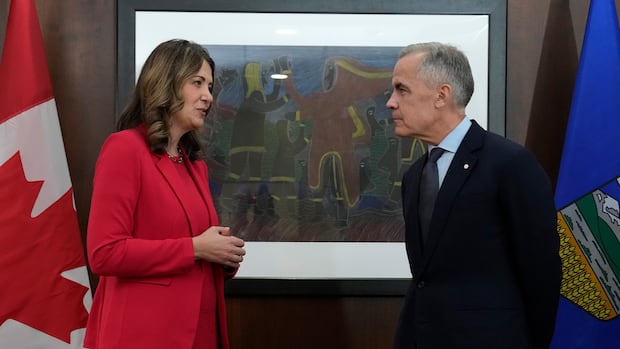
CBC News has learned that the upcoming memorandum of understanding between Alberta and Ottawa will propose federal backing for a new oil pipeline to the B.C. coast, contingent upon certain criteria being met.
In light of this, Natural Resources Minister Tim Hodgson is scheduled to update B.C. Liberal MPs on Wednesday morning regarding the details and to alleviate some of their concerns, according to a government source.
Responding to inquiries from Conservative Leader Pierre Poilievre about the government’s commitment to constructing a new pipeline, Carney stated during question period that the agreement with Alberta is not definitive.
“We advocate for cooperative federalism. We believe the government of B.C. must agree, First Nations rights holders need to be in accord and support—every stakeholder must be on board,” Carney remarked.
-
Ottawa, Alberta agree to broad outlines of energy deal, including support for pipeline
-
Ending tanker ban risks billions, B.C. minister says, as pipeline talks heat up
Liberal MP Darren Fisher from Nova Scotia commented to reporters on Tuesday that he has “never been particularly in favor of pipelines.” Another B.C. Liberal MP, Gurbux Saini, emphasized that the pipeline must consider the impacts on Indigenous communities and obtain “consent” from Premier David Eby before any construction begins.
Saini stated that Eby, who has not participated in these MOU discussions with Alberta, “should be involved in all of these conversations.”
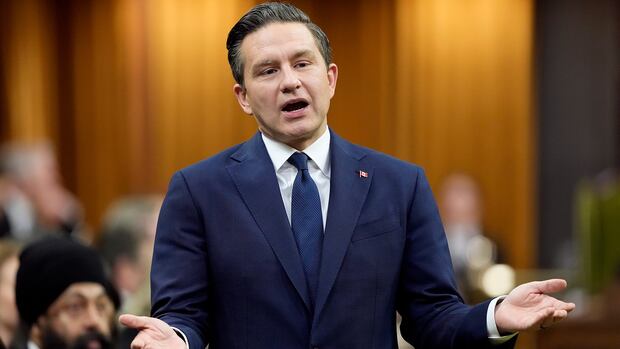
While Prime Minister Mark Carney’s energy deal with Alberta, likely to feature environmental concessions for an oil pipeline through B.C., has yet to be announced, it’s already being criticized by British Columbia and opposition parties in the House of Commons.
Green Party Leader Elizabeth May, a longstanding opponent of pipelines, warned that the Liberals may face electoral repercussions if a new oil pipeline is constructed.
“Liberal backbenchers should be genuinely concerned. They could lose their seats,” she expressed, although some surveys indicate a majority of British Columbians are actually in favor of constructing a pipeline like this.
‘Take a breath,’ says Wilkinson
B.C. Liberal MP Jonathan Wilkinson, who previously served as environment minister, advised his concerned colleagues to “take a step back” and “breathe” before reaching any hasty judgments about an MOU that has not yet been disclosed.
“Let’s wait for the MOU to be released before jumping to conclusions,” Wilkinson stated in an interview with CBC’s Power & Politics, expressing his “confidence” that Carney will adhere to his assurance that any substantial project must have “significant” support from Indigenous communities and the affected provinces before moving forward.
“There are valid concerns, and they need to be addressed, which will require time,” Wilkinson acknowledged.
He mentioned that it is “healthy” to engage in discussions regarding such potential developments.
Wilkinson, who contributed to the formulation of the government’s emissions-reduction strategy, remarked that the climate agenda would need to be revised if a new major pipeline is constructed. He suggested that there may be approaches to mitigate the expected emission increases.
Meanwhile, Smith has called on Carney to unlock Alberta’s natural resources sector, which could inject tens of billions of dollars into a struggling economy and diversify Canada’s trade relationships by increasing oil exports to Asian markets.
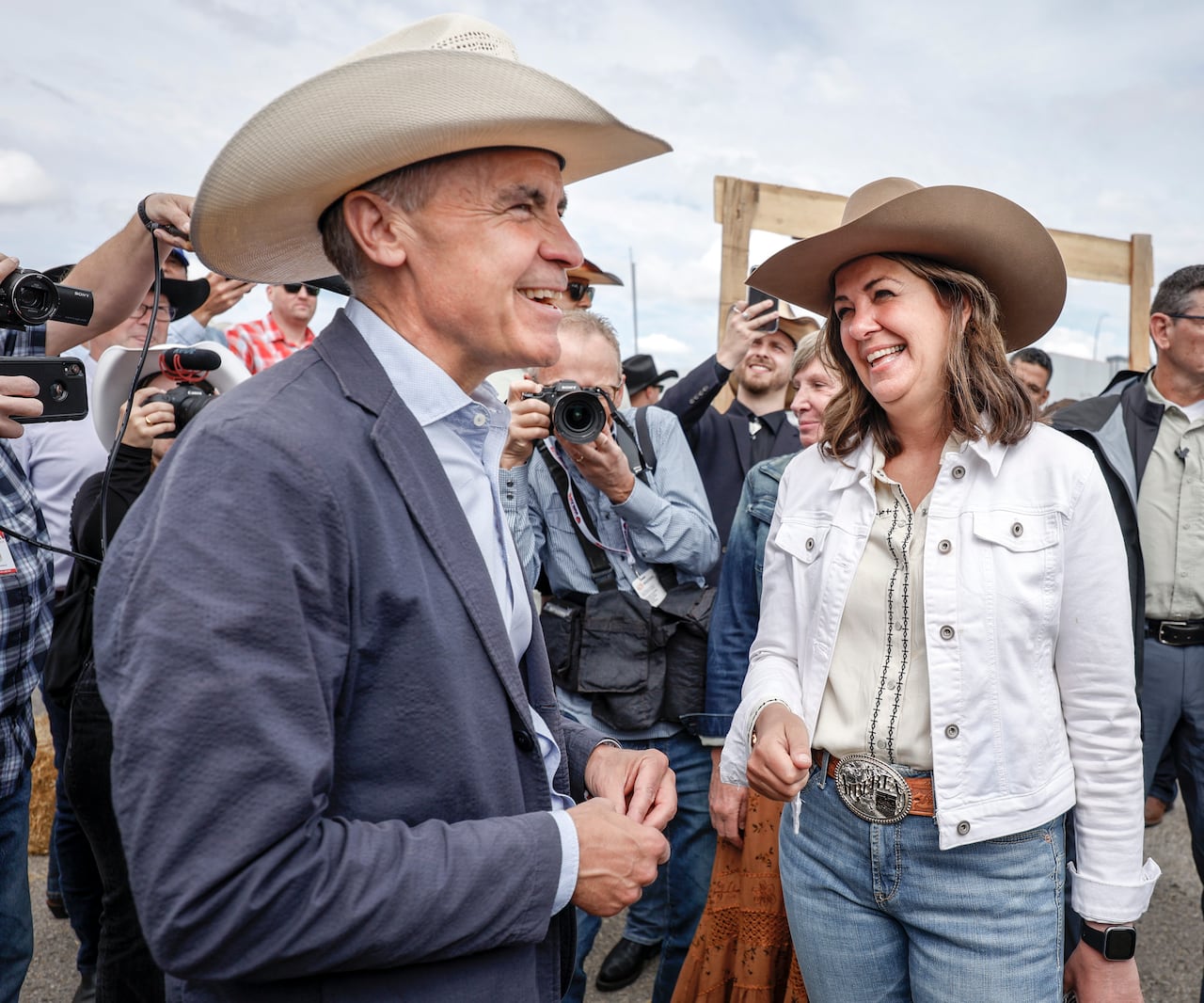
Prime Minister Mark Carney shares a laugh with Alberta Premier Danielle Smith at the Calgary Stampede in July. The two have been negotiating the details of a deal concerning the province’s energy industry. (Jeff McIntosh/The Canadian Press)
As reported by CBC News last week, the agreement between Canada and Alberta is expected to contain provisions regarding a potential pathway for the northwest B.C. oil pipeline.
Carney is receptive to examining such a pipeline initiative if Alberta, as the proponent, carries out the necessary consultations with Indigenous groups and engages with the B.C. government, among other stipulations, as stated by a senior government official.
The federal government is contemplating allowing limited exemptions to the current B.C. oil tanker prohibition, and there is a chance it could utilize its authority under C-5, the One Canadian Economy Act, to permit tankers linked to this proposed pipeline to bypass that moratorium.
A component of this intended agreement includes a pledge to decrease emissions from Alberta’s oil sector.
Carney is determined to advance the Pathways Plus project and has already assigned the Major Projects Office to oversee its progress. This Alberta-based initiative focuses on carbon capture, utilization, and storage, which could lower the emissions intensity of exports from the province’s oilsands.
In addition, Carney is dedicated to the industrial carbon tax, which has become central to the Liberal government’s climate action strategy following the repeal of the consumer levy. The latest federal budget calls for the strengthening of that tax.
