

Health professionals are advising individuals to promptly seek medical attention if they come into contact with bats to prevent potential rabies transmission.
In a recent issue of the Canadian Medical Association Journal, infectious disease experts detailed the tragic case of a child who succumbed to rabies nearly two years ago.
Dr. Brian Hummel, a pediatric infectious disease specialist at McMaster Children’s Hospital in Hamilton and the senior author of the case report, emphasized the importance of learning from such incidents to raise awareness about the risks associated with rabies infection.
According to the report, the 11-year-old boy encountered a bat on his face while at a cottage in northern Ontario in the summer of 2024. Despite his father removing the bat without observing any visible injuries, the child later developed facial symptoms, leading to a decline in his neurological health and, ultimately, his passing after medical interventions.
Notably, rabies is incurable once symptoms manifest, underscoring the critical need for timely preventive measures post-exposure, as explained by Hummel.
While rabies is a rare occurrence in Canada, with only a few reported cases historically, the virus’s fatality rate is high once symptoms surface. Immediate medical intervention following exposure can significantly mitigate the risk of infection.
Bats are identified as the primary carriers of rabies among animals, making any interaction with them a potential high-risk scenario due to their small teeth and the ease with which their saliva can transmit the virus.
Individuals are advised to seek medical evaluation promptly if they suspect contact with a bat, as early intervention through vaccines and antibodies can effectively prevent rabies progression.
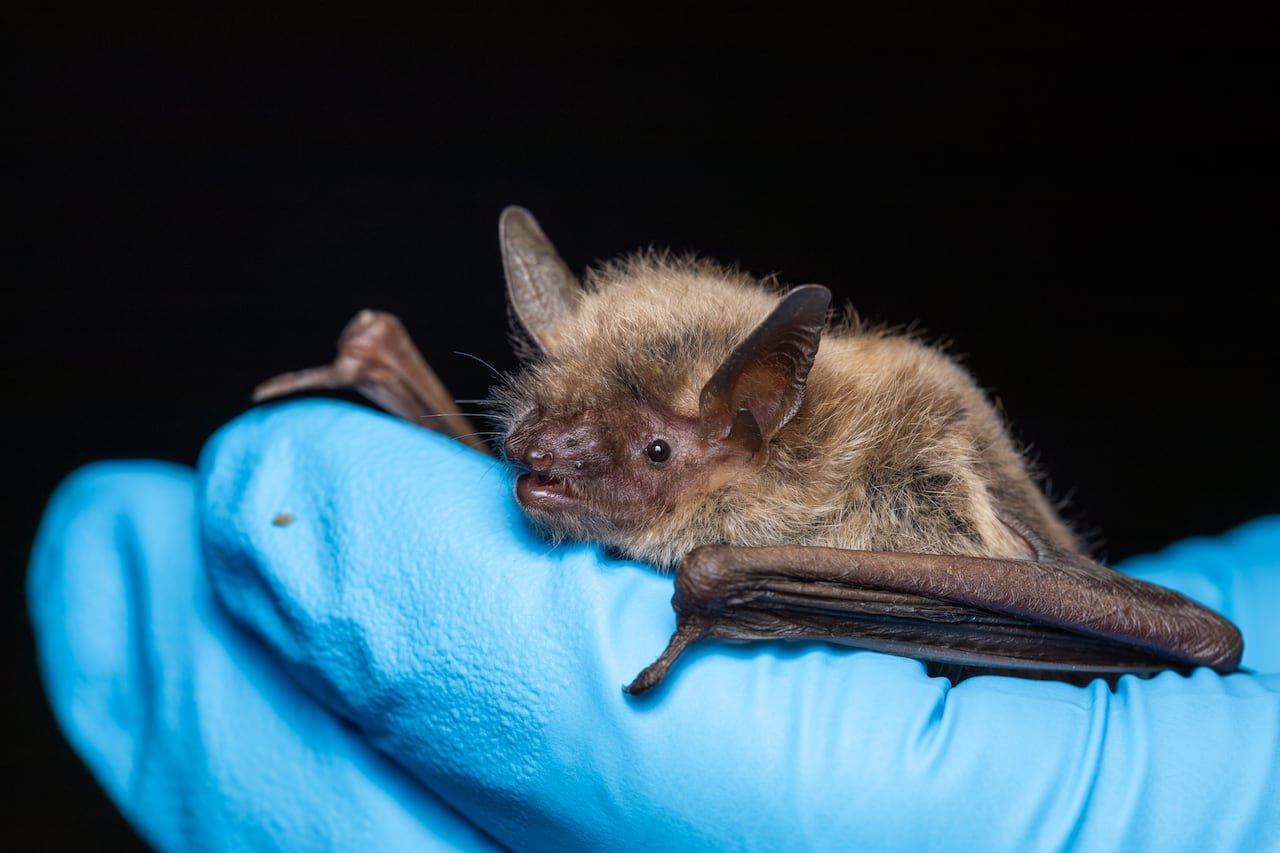
Health providers collaborate with public health authorities to determine the necessity of post-exposure prophylaxis, involving a series of vaccines and antibody injections to counteract the rabies virus.
Although vaccination may result in mild side effects, the benefits of preventing rabies infection far outweigh the minimal risks associated with the treatment, reinforcing the importance of prompt medical intervention in suspected cases of exposure.
