

A recent survey examining Canadians’ views on food affordability and shopping habits reveals that consumers have adjusted their shopping, cooking, and eating practices due to escalating prices.
The newest iteration of the Canadian Food Sentiment Index, published by the Agri-Food Analytics Lab at Dalhousie University in collaboration with the online data platform Caddle, indicates that food continues to be the primary financial concern for Canadian households.
Over 80% of those surveyed identified food as their greatest financial strain. Although this figure has decreased from 84.1% a year prior, it significantly exceeds concerns related to other daily expenses like utilities, household goods, housing, transportation, and entertainment.
Approximately half of the nearly 3,000 individuals surveyed last month noted a “significant” rise in food costs over the previous year, while just over one-third reported a “slight” increase, and nearly 12% maintained that their food expenses remained unchanged.
About 20% of Canadians indicated that they now allocate more than $600 monthly for food at home, a slight increase from the last biannual food sentiment index in the spring, while a total of 46.4% spend between $300 and $600 each month.
Changes in shopping behaviors
Earlier this week, Statistics Canada announced that grocery store food prices increased by 3.4% year-over-year in October, down from 4% in September.
This slowdown was primarily influenced by decreasing prices for fresh vegetables and a category that mainly covers processed foods, although significant price increases for fresh and frozen chicken tempered this decline.
The rise in grocery prices surpassed the general annual inflation rate of 2.2% for that month.
Nearly half of the respondents to the food sentiment index reported altering their shopping habits due to inflation by looking for sales and discounts. Around 23% stated they are using more coupons, shopping online for better deals, or opting for less expensive stores.
Spending on restaurants and takeout
“Consumers are making daily trade-offs—changing brands, reducing variety, cooking more meals at home, or postponing purchases entirely,” explained report co-author Stacey Taylor.
“The findings clearly indicate a shift: affordability is now the primary factor influencing food-related decisions.”
Other prevalent cost-saving measures included purchasing fewer non-essential items like ice cream, switching to lower-priced brands, and reducing the purchase of higher-cost items like meat or fruit.
Canadians also appear to be cutting back on dining out and takeout as a strategy to manage increased expenses, with around a third of respondents spending less than $50 monthly on restaurant meals, and nearly a quarter reporting expenditures between $51 and $100.
Issues with transparency
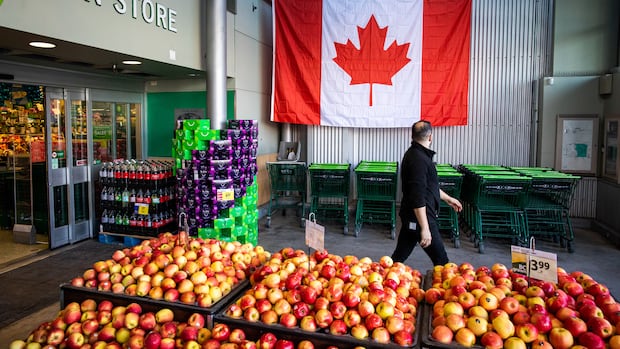
The study further revealed that confidence in major food retailers is declining, as many Canadians feel detached from the pricing process and express frustration over a lack of transparency. At the same time, there is a growing support for foods that are Canadian-grown and Canadian-made.
-
Food prices in Canada keep climbing, but these grocery items will give you sticker shock
-
The fast-food industry is trying to lure in Gen Z diners. Is the meal deal helping?
“Canadians are making adjustments, but they are fatigued. The insights from this report reveal not only dissatisfaction with prices but also a broader concern regarding equity, transparency, and the future of the food economy,” commented Sylvain Charlebois, director of the Agri-Food Analytics Lab and lead author of the report.
“A positive takeaway is the renewed interest in Canadian-made products,” he added in a press release.
“Many families view purchasing local as a means of regaining control—supporting farmers, domestic producers, and bolstering Canada’s food sovereignty.”
MORE TOP STORIES
-
Long-serving inmate with history of prison hostage-takings sentenced in Nova Scotia
-
Provinces sign agreement to drop interprovincial trade barriers on goods except food, alcohol
-
The numbers don’t lie: The struggle is real for Gen Z students
-
This community fridge is spending $6,000 per month on food, and it’s still not enough
-
Halifax to consider service cuts, fee increases to bring down 10.5% property tax hike
