Home Blog Page 8

“Oil and Gas Prices Set to Skyrocket Amid Depleting Reserves”

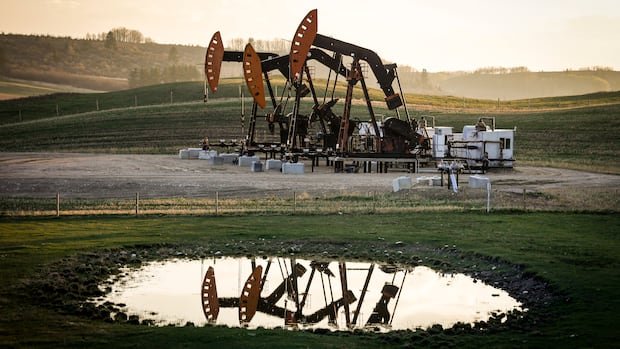
Energy industry experts and analysts are cautioning that there may be a significant surge in oil and gas prices due to depleting reserves and the continued closure of the Strait of Hormuz.

The cost of Brent crude futures stood at $98.20 US per barrel on Wednesday afternoon. However, projections suggest that it could skyrocket to $150 US or even higher in the upcoming weeks. This escalation is primarily attributed to diminishing prospects for a U.S.-Iran agreement to reopen the Strait and sustained demand in certain markets as reserves dwindle rapidly.

At a conference in New York last week, Neil Chapman, a senior vice president at ExxonMobil, highlighted the concerning trend, emphasizing the possibility of prices reaching $150 US to $160 US within a short timeframe. Similarly, Chevron CEO Mike Wirth, in an interview with Bloomberg Talks, expressed apprehension about declining reserve levels, emphasizing the critical nature of the situation in the months ahead.

Amidst the Middle East conflict, 32 International Energy Agency members agreed in March to release 400 million barrels of oil from emergency reserves. The latest report from the Department of Energy reveals that the U.S. Strategic Petroleum Reserve has dwindled to 357.1 million barrels as of late May, marking a significant decline since the outbreak of war in February 2026. The situation has raised concerns within the industry, with experts acknowledging the challenge of stabilizing the market.

Despite ongoing discussions between the U.S. and Iran regarding the reopening of the Strait of Hormuz, no tangible progress has been made, and the strategic waterway remains closed to commercial shipping. Recent hostilities, including Iran’s missile strikes on U.S. military bases in the Gulf region, have further exacerbated the situation, leading to a spike in oil prices.

Industry analysts are warning that the current price levels may persist through 2027, given the complexities involved in reopening the vital shipping route. As uncertainties loom, stakeholders are cautiously monitoring developments to gauge the market’s future trajectory.

In Canada, fuel demand continues to surge despite tightening supply and escalating prices. The upcoming summer season, typically characterized by peak gasoline consumption, could witness further price hikes, potentially exceeding $2 per liter if oil prices soar to $120 US to $140 US per barrel. This could present challenges for consumers and impact the overall economic landscape.

While higher oil prices offer certain economic advantages, concerns about inflation and potential impacts on central bank policies remain prevalent. The industry is closely watching for any signs of resolution to the ongoing crisis in order to provide stability to the market and alleviate financial pressures on consumers.


“Canadian Company Tests Drones for Avalanche Control”

A Canadian company is pioneering the use of drones for avalanche control instead of traditional methods like artillery or helicopter explosives. Aerial Vehicle Safety Solutions Inc. (AVSS) received approval from the federal government last year to test its SnowDart system in Jasper National Park this winter. The innovative technology involves a drone carrying an explosive up a mountain to be dropped and remotely detonated on the slope.

Josh Ogden, the co-founder of AVSS, emphasized that drones offer a new approach to avalanche control, complementing existing tools like 105 mm howitzer guns used by the Royal Canadian Horse Artillery. While helicopters and remote trigger stations are also utilized for avalanche mitigation, drones are particularly beneficial for inaccessible areas and can be a cost-effective alternative to helicopters.

The winter season posed significant avalanche challenges in Western Canada, with increased highway closures due to heightened avalanche risks. Parks Canada reported a record total closure of 191 hours on Highway 1 through Glacier National Park, attributed to heavy snowfall and weather conditions. Similarly, the Icefields Parkway experienced extended closures, marking the most shut-down hours in recent memory.

Looking ahead, the integration of drone technology in various industries continues to expand. Drones are increasingly employed for diverse tasks such as infrastructure inspections, emergency responses, and delivery services. While drones show promise for managing avalanche risks, Deryl Kelly from Parks Canada highlighted that they won’t replace traditional methods entirely, as their effectiveness is weather-dependent. AVSS plans to further test drone applications next winter, potentially expanding their use in other mountainous regions across Canada.

Brian Rode, vice-president of Marmot Basin ski resort, expressed optimism about the potential of drone technology for avalanche control. The ski resort intends to monitor the technology’s progress and adoption in the market while continuing to rely on explosive charges for current avalanche mitigation efforts.

Britney Spears Checks Into Rehab Again

0

Britney Spears has voluntarily admitted herself to a substance abuse treatment center just a month after being arrested for suspected driving under the influence of alcohol and drugs. The 44-year-old pop icon, who resides in the vicinity, was taken into custody on March 5 by California Highway Patrol officers after reports of her BMW driving recklessly on U.S. 101 in Ventura County.

Following a series of field sobriety tests, Spears was apprehended for allegedly driving under the influence of a mixture of alcohol and drugs. She was subsequently released from county jail a few hours later. The case was transferred to the Ventura County District Attorney’s Office on March 23, with a decision on potential charges expected before her scheduled court appearance on May 4.

A spokesperson for Spears characterized her behavior as “entirely unjustifiable” and emphasized the necessity for substantial changes in her life. While the artist has largely put her music career on hold, not touring for almost eight years and refraining from releasing any albums for nearly a decade, she recently gained autonomy over her personal and financial affairs following the termination of a court-ordered conservatorship that had been in place for almost 14 years. In 2023, she published a successful memoir titled “The Woman in Me,” marking a significant step forward after her previous stint in rehab in California back in 2007.

“Fire Disrupts UN Climate Talks in Brazil, No Agreements in Sight”

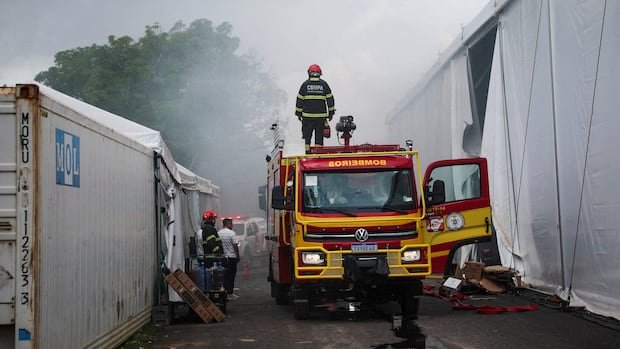
Fire broke out at the United Nations climate talks in Brazil on Thursday, leading to the evacuation of multiple buildings and disrupting ongoing negotiations for most of the day with no significant agreements in sight. Thirteen individuals were treated for smoke inhalation as a result of the incident.

The fire occurred in a section of pavilions designated for sideline events during the annual talks, referred to as COP30 this year. Although the fire was swiftly controlled, fire officials ordered the entire site to be evacuated for safety inspections, causing uncertainty about when conference activities would resume.

If negotiations do not resume until the scheduled final day on Friday, the fire incident could potentially result in a substantial loss of time. The presidency of the talks had intended for ministers and diplomats to work late into Thursday. There was a possibility that only top negotiators would be permitted to return at night for a condensed session.

The fire erupted at a critical juncture as the COP30 presidency had been striving to finalize an agreement on four contentious topics related to finance, reducing fossil fuel emissions, and trade. The initial aim was to reach a consensus on this complex package while Brazil’s president and the UN secretary general were present, but the agreement was not achieved.

Alden Meyer from the European think-tank E3G mentioned that the fire would halt negotiations for a period, potentially jeopardizing the chances of concluding the talks as scheduled on Friday. Climate justice lead at ActionAid, Teresa Anderson, highlighted the existing challenges in bridging significant gaps and emphasized the urgency for swift progress.

Despite the setback, Mohamed Adow, director of PowerShift Africa, reflected on the positive aspect of people assisting each other during the fire incident, emphasizing the need for unity in addressing climate emergencies. However, Meyer expressed concerns about the limited time available and the potential for a weak agreement to be reached due to the lack of consensus so far.

Before the fire outbreak, UN Secretary General António Guterres urged countries to show flexibility and willingness to compromise in order to achieve results, even if they fall short of certain nations’ preferred measures. Guterres emphasized the importance of engaging in good faith during the remaining two days of talks, which had already missed a deadline for progress on key issues.

The conference typically extends beyond its scheduled duration of two weeks, with ongoing debates on detailed plans for phasing out fossil fuels. Guterres stressed the need for rich countries to provide significant financial aid to poorer nations affected by climate change impacts, calling for a tripling of adaptation finance from $40 billion to $120 billion annually.

Efforts to address financial aid, along with other interconnected issues such as strengthening climate plans, addressing trade barriers related to climate, and enhancing transparency in reporting climate progress, were crucial components of the discussions. Over 80 countries advocated for a comprehensive roadmap to transition away from fossil fuels, building on a previous agreement reached at the COP in Dubai.

While Guterres referenced an existing agreement from Dubai on transitioning away from fossil fuels, Brazilian President Luiz Inácio Lula da Silva emphasized the need for a detailed plan during his earlier speech. The urgency to act on climate change was underscored by officials from countries affected by natural disasters, urging immediate action over prolonged discussions.

The fire incident at COP30 added a layer of complexity to the already challenging negotiations, raising concerns about the ability to secure a robust agreement within the remaining timeframe.

“Canada Imports 2,900 Chinese Electric Vehicles, Tariff Deal Struck”

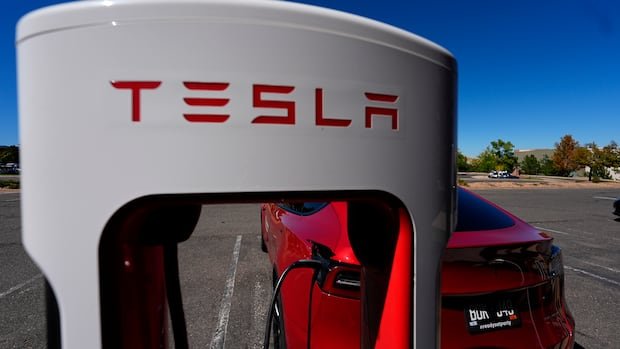
In May, over 2,900 electric passenger vehicles manufactured in China were imported into Canada. Global Affairs Canada data reveals that this marked the initiation of EV imports following an agreement by Prime Minister Mark Carney to allow tens of thousands of these vehicles into the country at a reduced tariff rate. While the specifics of the brands and models arriving are undisclosed, Carney hinted that a significant portion could be Chinese-made Teslas.

A deal between Ottawa and China on electric vehicles was struck, with Canada accepting up to 49,000 Chinese EVs annually at a 6.1% tariff in exchange for Beijing reducing some duties on Canadian canola. Initially imposing a 100% tariff on Chinese electric vehicles in 2024, Canada has now set a maximum quota of 24,500 cars within a six-month period.

The revival of federal EV rebates and escalating gas prices due to tensions in Iran are driving more Canadians to consider transitioning to electric vehicles. Daniel Breton, the president and CEO of Electric Mobility Canada, noted the competitive impact on prices, foreseeing a decrease with the influx of Chinese-made EVs. He highlighted the recent price drop of vehicles like the Chevy Bolt.

Major Canadian automakers, Ford, General Motors, and Stellantis, expressed concerns over the influx of Chinese EVs, citing potential cybersecurity risks and the undermining of the domestic auto industry. Brian Kingston, the president and CEO of the Canadian Vehicle Manufacturers Association, emphasized China’s departure from established trade and investment principles critical to the automotive sector and the Canadian economy.

“Whitehorse Prepares for Potential Landslides in Downtown”

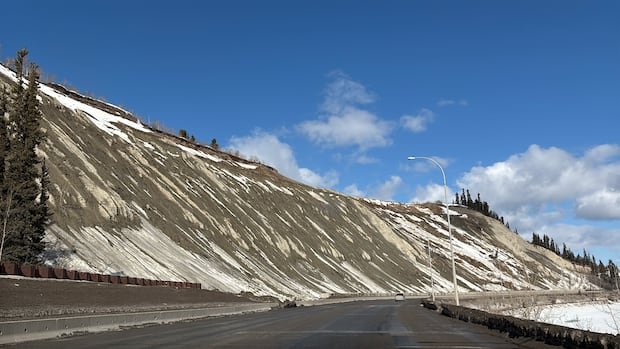
The City of Whitehorse is gearing up for the spring freshet season and the potential for landslides in the downtown core that may follow. Officials have noted that this year’s snowpack is reminiscent of 2022, a year marked by landslides that shut down Robert Service Way for weeks and endangered residences.

According to Robert Dickson, the manager of engineering services at the City of Whitehorse, the risk areas span from Takhini through Robert Service Way to the south access road. He reassures residents that the airport operations are not expected to be significantly impacted by any major events.

Dickson highlights that the current melt rate has been gradual, but as temperatures rise, there could be a swift acceleration leading to debris movement along the escarpment, especially in exposed areas. To bolster monitoring efforts, extra sensors have been deployed at critical points along the escarpment, and geotechnical inspections have been increased.

In terms of emergency response, Ursula Geisler, the city’s emergency manager, is actively communicating with property owners in high- and moderate-risk zones to help them prepare for potential hazards. Residents are advised to have a 72-hour emergency kit ready, which Geisler likens to packing for a three-day camping trip. Additionally, plans for alternative accommodations in case of evacuation should be made in advance.

Residents will receive updates through local radio broadcasts, social media alerts, and the Yukon Government’s Alert Ready system, which can send direct notifications to phones during emergencies. Geisler mentions that door-to-door notifications will also be conducted, with support services arranged for evacuated residents through collaborative efforts with partner agencies.

While addressing immediate threats, the city is also actively pursuing long-term solutions. In 2024, the federal government granted $45 million to Whitehorse for stabilizing the slopes. Although no final decisions have been made, one proposal under consideration involves reshaping the escarpment to enhance resilience and promoting vegetative growth on the surface to stabilize the soil. Additional safety measures near Robert Service Way, such as the installation of concrete slabs and closure gates during high landslide risk periods, have been implemented since 2022.

“Giller Prize Boycott Ends Over Sponsorship Changes”

0

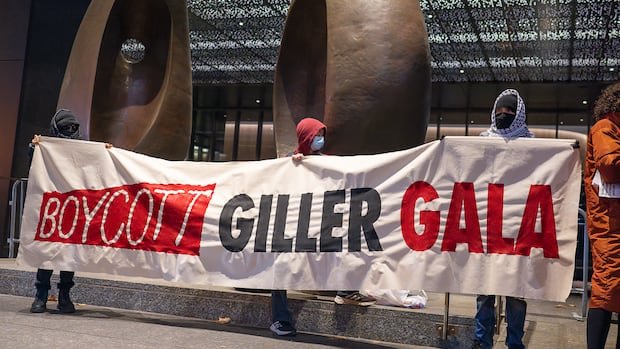
A group supporting Palestine that previously initiated a boycott against the Giller Prize has declared an end to their protest. CanLit Responds, the group behind the boycott, confirmed receiving an email from the Giller’s executive director, Elana Rabinovitch, stating that the prize no longer has sponsorship connections with Scotiabank or the Azrieli Foundation. Rabinovitch also clarified in the email that Indigo Books was only a promotional partner, not a sponsor.

The boycott was launched by CanLit Responds in the fall of 2024 due to the Giller sponsors’ ties to Israel. Notable Canadian authors, including David Bergen, Shani Mootoo, and Thea Lim, joined the protest. Scotiabank, the naming sponsor of the $100,000 prize for twenty years, faced backlash in 2023 over its subsidiary’s investment in an Israeli arms manufacturer, leading to the Giller Foundation severing ties with the bank last year.

Despite the Giller cutting ties with Scotiabank, the boycott persisted as CanLit Responds demanded the prize to not be associated with Indigo or the Azrieli Foundation. Protesters objected to Indigo due to its CEO’s involvement in a charity offering scholarships to former Israel Defence Forces soldiers without family in Israel.

Additionally, criticism was directed at the Azrieli Foundation for its links to the Azrieli Group, which has ties to Bank Leumi, listed by the United Nations Human Rights Office for activities in occupied Palestinian territory. The foundation clarified its distinction from the Azrieli Group on its website.

Rabinovitch mentioned in an email that the Giller’s contract with the Azrieli Foundation ended in 2025 but assured the prize’s continuation for 2026 with donations from anonymous individuals and foundations. CanLit Responds hailed the end of the boycott as a victory against genocide normalization and urged the Giller to ensure transparent and ethical sponsorships in the future.

The group’s organizer, Michael DeForge, emphasized the importance of rebuilding trust with writers and readers. Author Andre Forget expressed cautious willingness to submit future work to the Giller Prize, contingent on developments. Regulatory filings revealed Scotiabank’s divestment from Israeli defence manufacturer Elbit Systems Ltd.

The 2026 Giller Prize longlist will be disclosed in mid-September, with the shortlist following in early October.

“Indian Pilot Dies in HAL Tejas Crash at Dubai Air Show”

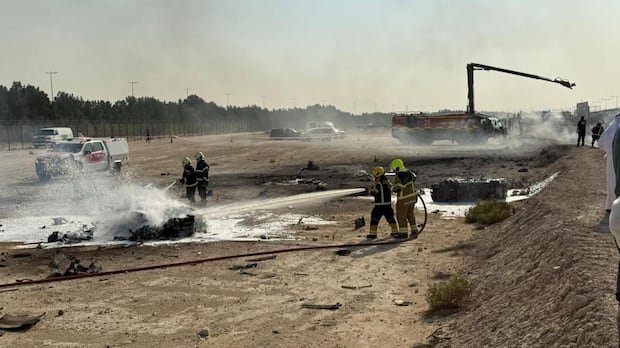
An Indian combat plane pilot lost his life in a crash during a demonstration at the Dubai Air Show, as confirmed by the Indian Air Force. The incident involved the Indian HAL Tejas aircraft, part of the Indian Air Force’s fleet, crashing at approximately 2:10 p.m. local time after performing multiple passes over the air show site in Dubai.

The aircraft appeared to spiral out of control and descended rapidly before crashing within the airfield premises. The Indian Air Force released a statement confirming the crash and the pilot’s fatal injuries, expressing deep regret for the loss and offering condolences to the pilot’s family. A formal inquiry will be conducted to determine the cause of the accident.

Following the crash, emergency responders and law enforcement were observed at the scene, with firefighting measures in place. The Dubai Media Office reported that emergency teams were managing the situation on-site. Despite the incident, the air show activities resumed after about an hour and a half, with the Russian Knights performing aerial displays while rescue teams continued their work.

The HAL Tejas is an indigenous fighter aircraft of India manufactured by Hindustan Aeronautics Limited, aimed at enhancing India’s air combat capabilities amid regional security concerns. Recent procurement contracts for Tejas jets have been signed by the Indian Defence Ministry, with deliveries scheduled to commence in 2027. The delayed delivery of previous Tejas orders has been primarily attributed to engine shortages sourced from the United States.

The Dubai Air Show, showcasing over 200 aircraft this year, is a prominent event in the aviation industry. Addressing social media claims of a Tejas oil leak incident prior to the crash, the Indian Press Information Bureau dismissed the allegations as false propaganda aimed at discrediting the aircraft’s reliability. Although similar incidents have occurred in the past, such as a Tejas crash in Rajasthan where the pilot safely ejected, it remains uncertain if the aircraft involved in the Dubai crash was the subject of earlier speculations.

“Alberta Premier Expects Breakthrough in Energy Policy Dispute”

Before the 112th Grey Cup kicks off at Princess Auto Stadium in Winnipeg, Alberta Premier Danielle Smith anticipates a significant development in the ongoing federal-provincial dispute over energy policies. The energy policies in Alberta have been in flux over recent months, with Smith mentioning a potential “grand bargain” and expressing hope for an agreement by the CFL’s championship game on Nov. 16.

Smith expects the federal government to finalize an agreement on a memorandum of understanding by the Grey Cup to progress to the next phase and attract private investments back to Canada’s natural resource sector. This agreement would entail revising or eliminating what Alberta deems as unfavorable laws, along with working towards the ultimate approval of a pipeline to the B.C. coast.

Additionally, Smith aims to see the realization of the Pathways Alliance project, which involves a significant carbon capture and storage initiative near Cold Lake. This project would capture carbon dioxide emissions from over 20 oilsands facilities in northern Alberta and transport them through a pipeline to a terminal in the eastern part of the province.

On the federal side, discussions indicate a potential abandonment of the proposed oil and gas emissions cap, a key policy under former Prime Minister Justin Trudeau. In return, the federal government is eyeing robust carbon pricing, methane regulations, and increased deployment of carbon capture and storage technologies.

Finance Minister François-Philippe Champagne highlighted that several steps are yet to be taken before the emissions cap becomes unnecessary. The conditions that need to be met for this transition remain unclear, raising questions about the impact on Alberta’s industrial carbon tax program.

Alberta’s industrial carbon tax, known as Technology Innovation and Emissions Reduction (TIER), was the first of its kind in North America, established in 2007. Liberal MP Corey Hogan emphasized the significance of Alberta’s system, indicating that if certain conditions are met in line with federal standards, there might not be a need for an emissions cap.

Despite ongoing discussions, uncertainty surrounds the frozen price of the industrial carbon tax in Alberta, which remains at $95 per tonne through 2026. This rate does not align with the federal government’s escalating backstop price, potentially complicating the negotiations between the two levels of government.

The future of collaboration on carbon pricing remains unclear, with differing opinions on the necessity of industrial carbon pricing and the stability of the TIER market. While challenges persist, stakeholders are engaged in negotiations to find common ground and address the complexities of emissions regulations in the energy sector.

“Chrysler Recalls Jeep Hybrids Over Fire Risk”

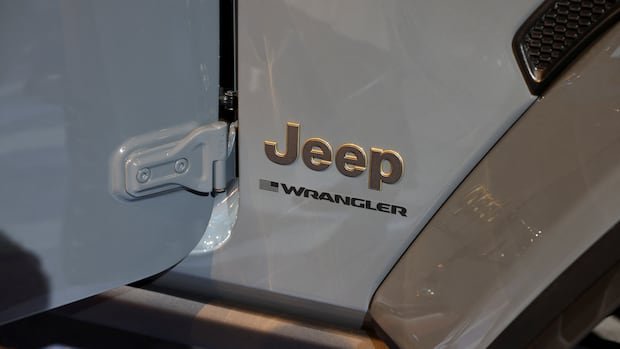
Chrysler is initiating a recall of numerous Jeep plug-in hybrid vehicles due to a defective battery that poses a fire risk. The recall affects over 20,000 vehicles in Canada, 320,000 in the U.S., and more than 30,000 in other markets. The manufacturer, Chrysler, a subsidiary of Stellantis based in the Netherlands, has identified 19 fires and one injury potentially linked to the battery issue following an internal investigation. The batteries in question were produced by Samsung SDI America in Auburn Hills, Michigan.

Affected vehicle models include specific Jeep Wrangler 4xe units from model years 2020 to 2025 and certain Jeep Grand Cherokee 4xe SUVs from model years 2022 to 2026. Owners are advised to park these vehicles outdoors and away from buildings until a solution is determined. Additionally, owners should refrain from charging the vehicles as the risk is minimized when the battery is discharged.

Interim notification letters will be dispatched to owners by December 2, with further correspondence to follow once the final fix is available. The recall identification number is 68C, and concerned owners can reach out to Chrysler customer service at 1-800-853-1403. For additional information, owners can also consult Canada’s Motor Vehicle Safety Recalls Database.