Home Blog Page 7

“Cree Entrepreneur Embraces Heritage Through Traditional Adventures”

Blaine Mirasty, a Cree individual from Flying Dust First Nation, Saskatchewan, residing in Edmonton, shares his childhood experience of learning traditional hunting skills from his father. At the age of eight, he began setting snares and tracking animals in the wilderness near his home. His father taught him the significance of offering tobacco to the Creator when they caught a rabbit, a practice that instilled respect for nature.

Over time, Mirasty honed his trapping skills through trial and error, mastering the art of reading animal tracks in the snow. He fondly recalls bringing the skinned rabbits to his grandmother, who would prepare them as rabbit stew served with bannock. For him, consuming traditional Indigenous food holds deeper meaning as it fosters a profound appreciation for the animal and the entire process of harvesting, cleaning, and cooking.

These memories form an integral part of Mirasty’s identity as a Nehiyaw (Cree) person, emphasizing the concept of Miyo-pimatisiwin, or “the good life.” This philosophy revolves around achieving balance across various life aspects, encompassing emotional, spiritual, mental, and physical well-being. It emphasizes living in harmony and mutual respect with oneself, the community, and the natural environment.

Despite facing discrimination and prejudice against Indigenous people while growing up, Mirasty maintained a positive outlook, striving to overcome obstacles and seize opportunities. His transformative experience studying abroad in Norway broadened his perspective and reinforced his pride in his Indigenous heritage. Inspired by his roots, he launched Cree North Adventures in 2019, offering guests a unique cultural experience rooted in Nehiyaw traditions.

Through Cree North Adventures, Mirasty aims to share Plains Cree and Woodland Cree perspectives, incorporating his family’s knowledge of plants, traditional medicines, and life on the trapline. He and his family provide guests with immersive experiences, including traditional dance performances and horse-drawn wagon rides, fostering cultural exchange and understanding.

The venture has not only allowed Mirasty to generate income but also serves as a platform to educate guests about Nehiyaw culture and values. In the wake of increased awareness and efforts towards reconciliation post the Truth and Reconciliation Commission’s Calls to Action and the recent revelations of unmarked graves at residential schools, there is a growing interest in Indigenous tourism. Supporting Indigenous-owned businesses like Cree North Adventures contributes to economic empowerment, cultural preservation, and community pride.

Mirasty views his work not just as a business endeavor but as a continuation of the teachings passed down by his father, emphasizing connection, reciprocity, and education to uphold the essence of Miyo-pimatisiwin. In engaging with guests from diverse backgrounds, he finds mutual learning and appreciation for Indigenous culture, fostering healing and understanding.

Ultimately, Mirasty’s journey exemplifies the transformative power of embracing Indigenous heritage, promoting cultural exchange, and fostering respect and harmony among communities.


“Trump Administration Targets Canada with New Tariffs”

The Trump administration is set to impose fresh tariffs on numerous trade partners, Canada included, citing allegations of permitting goods manufactured through forced labor to enter their supply chains. This action comes as the administration’s response to the U.S. Supreme Court’s rejection of broad-based tariffs in February.

U.S. Trade Representative Jamieson Greer unveiled the proposed tariffs late Tuesday following a meeting with Canada-U.S. Trade Minister Dominic LeBlanc in Washington. Greer expressed dissatisfaction with key trading partners for not addressing the issue of importing goods made under forced labor conditions.

Greer is advocating for a 10 percent tariff on exports from Canada, targeting goods that do not adhere to the rules of origin outlined in the Canada-U.S.-Mexico Agreement (CUSMA). This move would exempt nearly 90 percent of Canadian exports to the U.S. from the tariff. The official announcement describes it as an additional tariff, possibly stacking on top of the existing 10 percent tariff on non-CUSMA compliant Canadian exports set to expire on July 24.

Under U.S. law, the president can levy tariffs on countries deemed to engage in unfair trade practices detrimental to U.S. commerce. The U.S. trade representative launched investigations in March involving 59 countries and the European Union to determine if they effectively prohibited goods produced through forced labor. The subsequent declaration stated that all 60 entities failed to meet the criteria, raising concerns about the fairness of the U.S. investigation into forced labor practices.

David Henig, a policy director at a Brussels-based think tank, questioned the blanket condemnation of all trading partners, labeling it as implausible and preposterous. He suggested that the forced labor issue is being exploited as a pretext to impose desired tariffs.

Apart from Canada, 15 other trading partners face a 10 percent tariff, including the European Union, the U.K., Argentina, El Salvador, Bangladesh, and Pakistan. The remaining 44 countries, such as Japan, Singapore, India, South Korea, and Vietnam, could face a higher tariff rate of 12.5 percent.

The imposition of tariffs is subject to a public comment and review period, with hearings scheduled to begin in July. The U.S. trade representative’s 92-page investigation report highlights Canada’s alleged failure to effectively enforce its ban on forced labor imports, with minimal enforcement actions reported by Canadian authorities.

The report contrasts Canadian enforcement efforts with U.S. Customs and Border Protection actions, indicating a significant disparity in interception rates of suspected forced labor shipments. The U.S. trade representative also referenced a 2021 report by Above Ground, a Canadian human rights group, as evidence of potential profiteering from forced labor goods in Canada.

Karen Hamilton, the director of Above Ground, criticized the Trump administration’s tariff strategy, suggesting it is driven more by circumventing legal hurdles than genuine concerns over forced labor. She expressed concerns that the tariffs could hinder efforts to combat forced labor effectively and protect workers’ rights.

While the move to impose tariffs is recent, U.S. discontent over forced labor practices predates the current administration. Past events, including negotiations leading to the CUSMA agreement, highlighted U.S. pressure on Canada to enact laws banning goods produced by forced labor. Additionally, concerns have been raised by lawmakers from both political parties regarding Canada’s enforcement of such laws.

“Coachella 2023: Highlights and Headliners from Weekend Two”

0

Over the past weekend, music enthusiasts gathered in the desert of California for the Coachella Valley Music and Arts Festival to witness performances by renowned global artists and up-and-coming talents. This annual event in Indio, marking its 25th year, spans six days across two consecutive weekends.

The second weekend of the festival, featuring headliners like Sabrina Carpenter, Karol G, and Justin Bieber, kicked off on Friday. While awaiting the upcoming performances, take a glimpse at some highlights from the initial weekend.

Sabrina Carpenter captivated the audience with her performance on the Coachella stage during the festival’s opening night on Friday.

Ben Weinman from Suicidal Tendencies delivered an electrifying performance in the Mojave Tent at Empire Polo Club on Sunday.

FKA Twigs enchanted the crowd with her performance in the Mojave Tent at Empire Polo Club on Sunday.

Iggy Pop rocked the stage in the Mojave Tent on Sunday.

KATSEYE, comprising Megan Skiendiel, Daniela Avanzini, Yoonchae Jeong, Lara Raj, and Sophia Laforteza, showcased their talents on the Sahara Stage on Friday.

David Byrne took the stage at the Outdoor Theatre stage on Saturday.

Notable personalities, such as pop star Katy Perry, shared photos on social media, including a snapshot with former Canadian Prime Minister Justin Trudeau at the festival.

An animated gif captured festival attendees Aliannah Fernandez, Abrielle Fernandez, Alexis Colter, and WNBA basketball player Paige Bueckers enjoying the festivities during the first weekend of Coachella.

Fans showed their excitement while watching Sabrina Carpenter perform on opening night.

One festival-goer sported a Justin Bieber-themed shirt during Coachella on Saturday.

Trump Slams Democrats’ Video on Refusing Orders

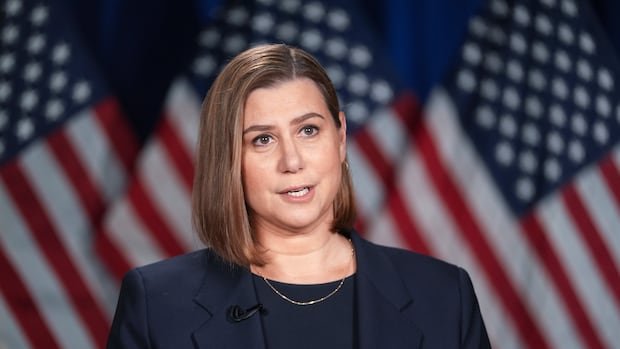
U.S. President Donald Trump criticized six congressional Democrats for releasing a video on social media advising troops to refuse unlawful orders, calling it seditious behavior. The video featured senators Mark Kelly and Elissa Slotkin, along with House members Jason Crow, Maggie Goodlander, Chris Deluzio, and Chrissy Houlahan, who have military or intelligence backgrounds. Kelly emphasized the ability to reject illegal commands, while Slotkin urged standing up for laws and the Constitution.

The concerns raised by Kelly, a former U.S. Navy captain, stemmed from recent deadly military actions in Caribbean and eastern Pacific waters against boats suspected of carrying drugs. Despite the Department of Justice’s legal opinion that individuals involved in these strikes may not face prosecution due to statute limitations, Trump strongly condemned the Democrats’ video as seditious behavior.

Trump’s reaction on social media labeled the Democrats’ actions as treasonous, sparking backlash from Republicans. While the White House clarified that Trump did not advocate for the death of the lawmakers, Press Secretary Karoline Leavitt emphasized the importance of following lawful orders to maintain national security.

Republican Senator Lindsey Graham expressed dismay over the video, calling for specificity on what orders the Democrats deemed unlawful. The ongoing controversy surrounding the boat strikes, resulting in multiple casualties, has raised questions about the legality and justification of the military actions. The administration’s stance on considering individuals on drug-carrying boats as enemy combatants has fueled further debate.

The international community, including the UN’s human rights chief and France’s foreign minister, has criticized the strikes as violating international law. Despite calls for condemnation, Canada refrained from explicitly denouncing the actions, stating it was within U.S. authorities’ jurisdiction to make such determinations.

The escalating tensions surrounding the boat strikes have led to a broader discussion on the legality of military actions, with concerns raised about the lack of transparency and accountability in decision-making processes. Trump’s administration’s approach to combatting drug trafficking through military intervention has faced scrutiny both domestically and internationally.

“Federal Budget Targets 16,000 Job Cuts by 2029”

The latest federal budget, released on Tuesday, provides insight into the cost-cutting measures planned by numerous government departments following the recent thorough expenditure review. The review aimed to achieve significant savings of up to 15% over a three-year period, with the results now integrated into the budget pending a confidence vote.

In an effort to curb expenditures, the government is targeting a reduction of 16,000 full-time equivalent positions within the bureaucracy over the next three fiscal years, ultimately aiming to scale down the federal public service to 333,000 employees by 2029. Job cuts have already begun, with around 10,000 positions eliminated since the previous year.

While specific details of the job reductions are not outlined in the budget, it does outline how various departments intend to streamline operations leading up to 2030. Notably, departments like Housing, Veterans Affairs, and the Canada Revenue Agency are projected to achieve substantial savings ranging from $4.1 billion to $5.4 billion, albeit the actual impact will vary based on individual department budgets.

The budget breakdown reveals the estimated total savings predicted over the next four fiscal years for each department. Agriculture and Agri-Food Canada, for instance, plans to reorient its programs and operational expenses to align with government priorities, discontinuing certain initiatives like the Agricultural Climate Solution Living Labs while continuing work in key areas such as crops, horticulture, and animal production.

Likewise, other departments such as the Canada Revenue Agency (CRA) are set to close down programs like the Digital Services Tax and Federal Fuel Charge to streamline operations and cut costs. CRA intends to reinvest a portion of these savings to enhance services, improve compliance, and reduce tax debt, leveraging artificial intelligence to boost efficiency.

Furthermore, departments like Health Canada, Employment and Social Development Canada, and Environment and Climate Change Canada are implementing measures to reduce costs, optimize resources, and realign programs to meet evolving priorities and mandates. The overarching goal is to drive efficiency, maximize savings, and enhance service delivery across various government departments.

The comprehensive budget reflects a concerted effort to restructure operations, reallocate resources, and drive cost-saving measures across different federal departments to ensure fiscal sustainability and operational effectiveness.

“Canadian Para Hockey Trailblazer Raphaëlle Tousignant Battles Breast Cancer”

0

Para hockey athlete Raphaëlle Tousignant, who made history as the first woman to represent Canada in a significant international event, revealed that she has been diagnosed with breast cancer. In a recent Instagram post, she shared, “I never anticipated saying these words again — not now, not anytime soon. However, life has its own plans. About a week ago, I received the diagnosis of breast cancer.”

Having undergone a leg amputation due to bone cancer at the age of 10, Tousignant, hailing from Terrebonne, Quebec, joined the Canadian women’s Para hockey squad at 14. She swiftly rose as one of the key players in the program and, in 2023, secured a spot on Canada’s national team for a world championship, becoming the first woman to do so.

At 23 years old, Tousignant had her sights set on becoming the initial female Para hockey competitor for Canada at the 2026 Paralympic Games in Milan-Cortina, Italy. Despite being technically mixed-gender, Para hockey at the Paralympics has seen only three women participate, two from Norway and one from China. Notably, teams can expand their rosters to 18 players to include a female athlete.

Despite the cancer diagnosis, Tousignant remains determined to pursue her dream. She expressed, “These upcoming months were meant to be the final sprint towards the Games, an opportunity to secure my place. I refuse to allow this setback to hinder me.” She added, “I am uncertain of the feasibility or plausibility at this juncture. All I know is that each workout and ice session now holds a deeper significance—a source of motivation and focus.”

Tousignant played a pivotal role in Canada’s silver medal victory at the inaugural world women’s Para hockey championship in Dolný Kubín, Slovakia, in August. She emphasized, “This development marks a new chapter in my journey—not the conclusion. I am navigating this one day at a time, surrounded by love, fortitude, and an unwavering determination.”

The courageous athlete affirmed her commitment to continue striving towards her aspirations until the very last moment, with a renewed sense of purpose and resilience, as she confronts the challenges posed by her health condition.

“Port Stanley Blooms with 15,555 Knitted Poppies”

Residents of Port Stanley, Ontario, are witnessing a sea of red this week, a sight that brings them joy. The change in color is not due to the autumn season but rather the presence of approximately 15,555 knitted and crocheted poppies adorning various locations in the community.

These poppies can be spotted all around the lakeside town, whether they are pinned on park benches, wreaths, storefronts, signs, or other places. Even the town’s drawbridge is embellished with poppies draped over its railings, while the iconic fish-themed welcome sign now flaunts a fashionable scarf created predominantly from red yarn.

Kathy Howarth, the initiator of the Poppy Campaign in Port Stanley, expressed her original goal of saturating the village with red, which evolved into a much grander achievement. She emphasized the emotional bond formed within the community through this endeavor.

The Poppy Project materialized through the collaborative efforts of 106 volunteers dedicating thousands of hours to craft the flowers. Inspired by a similar initiative in Stratford, Ontario, Howarth commenced the project in late January, driven by the thought that she could be the one to bring it to Port Stanley.

Initially aiming to produce 12,001 poppies by November, with the extra one symbolizing the Unknown Soldier, the project exceeded expectations, amassing over 15,000 flowers stored in Howarth’s basement. Jackie Valotaire facilitated volunteer recruitment by establishing a Facebook group to coordinate activities.

Each poppy requires about 25 minutes to create, resulting in over 6,000 hours of combined knitting and crocheting across all 15,000 flowers. Volunteers united on November 1 to exhibit their hard work by dispersing the poppies throughout the town.

The community responded positively to the initiative, with some turning the search for poppies into a game. To commemorate their achievement, volunteers and supporters gathered at Branch 410 of the Royal Canadian Legion in Port Stanley, where many poppies were crafted.

Anne Versteeg, chair of the local poppy campaign at the Legion, commended the extensive effort put into the project, highlighting the meticulous work of organizing and tying the poppies onto fishing nets. She expressed pride in observing a striking display of poppies covering the Legion’s balcony railing.

Reflecting on the symbolic significance of poppies, residents enjoy the vibrant display and contemplate their meaning. Howarth eagerly anticipates future projects, grateful for the community’s unwavering support and already brainstorming ideas for the next endeavor.

Airlines Reassure: No Jet Fuel Shortage Worries for Summer

After more than six weeks of concerns over potential jet fuel shortages in Europe, major global airlines are now assuring travelers that it is safe to plan summer trips to the region. Air Canada has communicated to its customers that there are no fuel supply issues affecting their operations in Europe, the Middle East, and Africa. Similarly, Lufthansa has stated that most European airlines, including themselves, are confident that there will be no jet fuel shortage during the summer season.

This reassurance from airlines comes following previous worries about fuel supplies in Europe. In April, the International Energy Agency warned that there might only be around six weeks of jet fuel left due to blockades related to the Iran war. However, recent developments have shown a more stable fuel supply situation.

Ireland-based Ryanair, the largest European airline by passenger numbers, is offering discounts on summer airfares to attract more customers. CEO Michael O’Leary expressed minimal concerns regarding fuel supplies in Europe during an investor call in mid-May.

Independent aviation analyst Rick Erickson was surprised by Air Canada’s proactive stance in reassuring customers about fuel availability for flights to Europe. Despite potential shortages, Erickson believes that Air Canada, as a major player in the industry, would have priority access to fuel.

The drop in jet fuel prices over recent weeks has been noted by the International Air Transport Association. Analysts suggest that diversifying jet fuel sources away from the Middle East has helped alleviate some supply issues. However, concerns remain about the stability and pricing of energy supplies in the market.

Matt Smith, a commodities expert with Kpler, highlighted the complexities in the oil and fuel market, with fluctuating demand and supply dynamics causing uncertainty. While current prices may not reflect the true supply situation, further disruptions could lead to significant price increases across energy sectors.

In conclusion, while airlines are optimistic about fuel availability for the upcoming summer travel season in Europe, ongoing market uncertainties and geopolitical factors continue to pose challenges to the energy sector.

[End of rewritten article]

“Alberta Landowner Voices Concerns Over Oil Well Pollution”

Teresa Patry from Vermilion, Alberta, is one of many feeling disregarded by the provincial oil and gas regulator. With two active oil wells on her property emitting methane and potentially harmful chemicals, Patry and her family are directly impacted by the pollution. Despite her concerns and the noticeable fumes, Alberta’s energy regulator continues to assert that everything is in compliance.

The situation reflects a broader issue faced by landowners with aging or decommissioned oil wells across the province. As Alberta addresses methane emissions and aging infrastructure, advocates are concerned that individuals like Patry are being overlooked.

Initially trusting the industry, Patry’s family signed a lease in 2006 without hesitation. Over time, the wells deteriorated and emitted strong odors, leading to health concerns for Patry and her family. The noxious odors she experienced were identified as venting, the release of unburned natural gas into the air, which can contain volatile organic chemicals (VOCs) known to cause various health problems.

Despite numerous complaints and health issues experienced by Patry and her family, the Alberta Energy Regulator maintains that the wells are operating within regulations. Independent inspections have shown continuous venting from the wells, raising further concerns about the impact on residents’ health.

Advocates like Phillip Meintzer from the Coalition for Responsible Energy highlight the prevalence of similar cases and the need for stronger regulations to protect individuals like Patry. With thousands of inactive and decommissioned wells in Alberta, the current regulatory framework is deemed inadequate by many.

As Patry continues to endure the effects of the venting wells on her property, the lack of significant regulatory changes leaves her feeling disregarded and labeled as a troublemaker by the authorities. The situation underscores the urgent need for better enforcement and support for affected landowners in Alberta.

“Saskatchewan Teachers’ Federation Optimistic as Supreme Court to Address Pronoun Law Appeals”

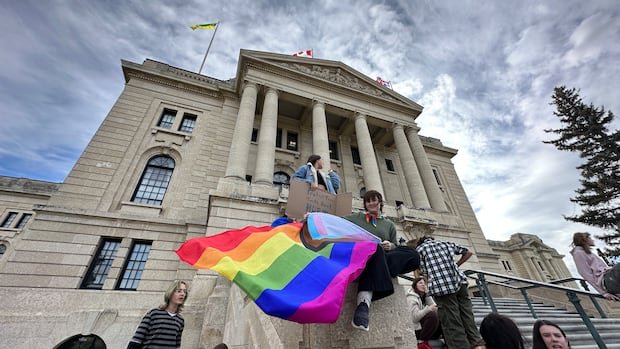
The president of the Saskatchewan Teachers’ Federation expressed her optimism about the Supreme Court providing clarity on the province’s pronoun law as the court has agreed to hear appeals on the matter. This law currently prohibits children under 16 from changing their names or pronouns at school without parental consent, creating challenges for educators, according to Samantha Becotte.

Becotte emphasized the importance of repealing Bill 137 to grant teachers the professional autonomy necessary to establish inclusive learning environments for all students in Saskatchewan. She stressed that teachers should be able to exercise their professional judgment in creating safe spaces for students.

No specific date has been scheduled for the court to address the cross appeals from the provincial government and UR Pride, a 2SLGBTQ+ group in Regina. The rule, introduced as a policy by Premier Scott Moe’s Saskatchewan Party government in 2023, argues for parental involvement in school decisions affecting children.

Legal representatives for UR Pride contested the rule in court, arguing that it infringes on Charter rights and causes harm to gender diverse youth. Despite a temporary injunction granted by a judge to halt the policy, the province later enshrined it into law using the notwithstanding clause to override certain Charter rights for five years.

The Saskatchewan Court of Appeal ruled that while the legislation cannot be struck down due to the notwithstanding clause, the court can issue a declaratory judgment on its compliance with constitutional rights. UR Pride can still argue for the law to be invalidated, particularly as the notwithstanding clause did not extend to Section 12 of the Charter concerning cruel and unusual treatment.

Both UR Pride and the province have filed appeals and requested an expedited hearing at the Supreme Court of Canada, aligning with a similar challenge in Quebec regarding a law prohibiting public sector workers from wearing religious symbols, which also invoked the notwithstanding clause.

Toronto lawyer Adam Goldenberg, representing UR Pride, reiterated that the law violates Charter rights and harms gender diverse youth, calling for the government to substantiate its defense of the law with evidence. Emphasizing the importance of hearing from gender diverse youth, Goldenberg highlighted the significance of the Supreme Court’s involvement in the case.

Louis-Philippe Lampron, a constitutional law professor at Université Laval in Quebec, noted that the case’s consideration by the Supreme Court underscores the evolution of Canadian law and the tendency of some provinces to appeal to populist sentiments. He suggested that while the notwithstanding clause may cater to populist movements, legal challenges could deter legislatures from invoking it lightly.

Meanwhile, in Alberta, a similar legal dispute is unfolding, where Premier Danielle Smith’s government recently utilized the notwithstanding clause to halt a provincewide teachers strike and safeguard its back-to-work legislation from legal challenges. The government’s plans to employ the notwithstanding clause in legislation concerning school pronouns, female sports, and gender-affirming health care have sparked controversy and are facing legal opposition.

As laws in Alberta restricting gender-affirming health care and transgender participation in sports face challenges, Premier Smith has indicated the possibility of invoking the notwithstanding clause to expedite the resolution of these contentious issues, which could otherwise take years to settle through the courts.