This is the first installment of a series by Radio-Canada commemorating the 50th anniversary of the James Bay and Northern Quebec Agreement. Read part two here.
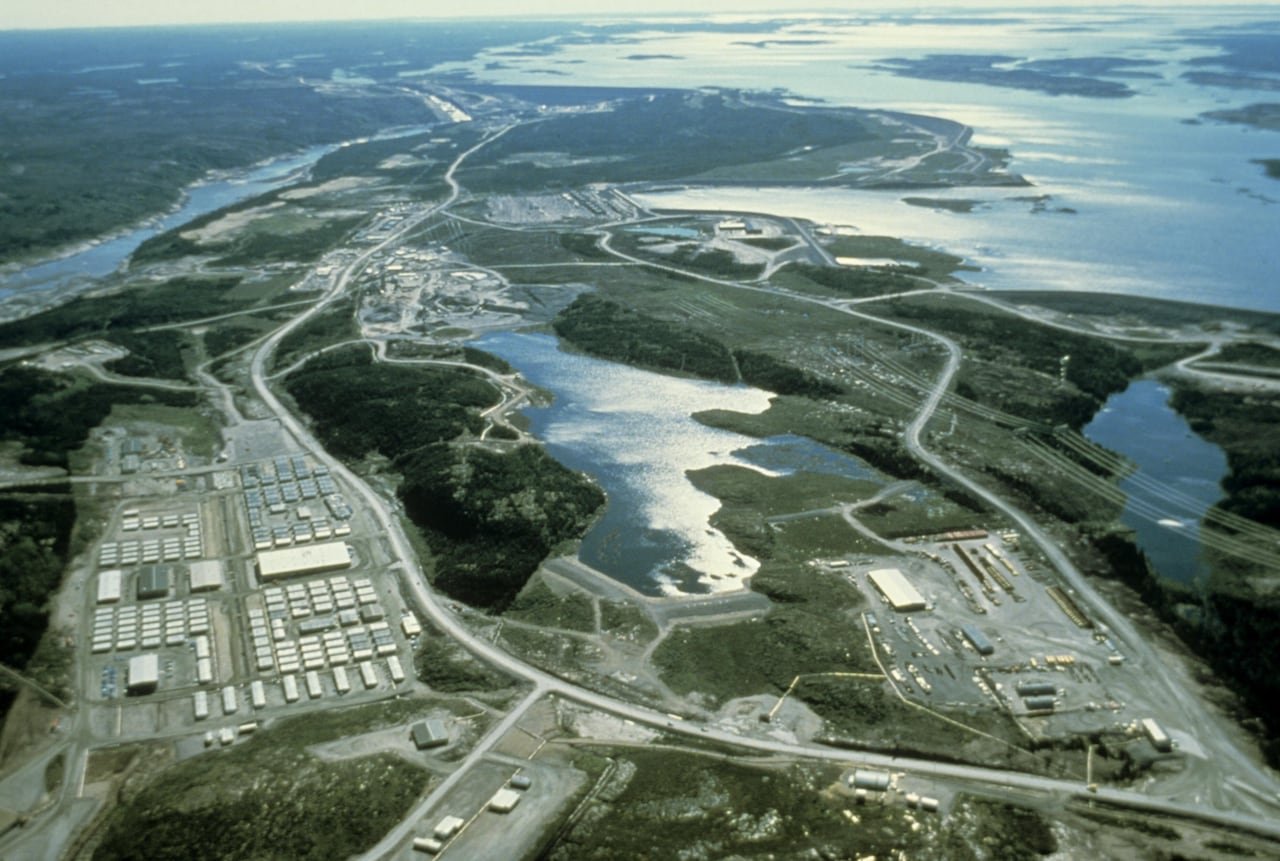
In April 1971, well before finalizing the James Bay and Northern Quebec Agreement (JBNQA), Quebec’s premier Robert Bourassa introduced his visionary plan dubbed the “project of the century.” The ambitious initiative aimed to capitalize on the vast hydroelectric potential in the province’s northern expanse to stimulate economic growth and meet escalating energy demands.
The blueprint encompassed the construction of 11 hydroelectric dams, notably eight along the La Grande river, which traverses the heart of Quebec up to James Bay, 900 kilometers to the west. Additionally, three other rivers – Eastmain, Opinaca, and Caniapiscau – were earmarked for diversion to create expansive artificial reservoirs, inundating 11,500 square kilometers of woodland – approximately 30 times the area of Montreal Island.
This unprecedented project, spanning 40 years for completion, now generates a prodigious 17,000 megawatts of power, constituting half of Quebec’s present energy output.
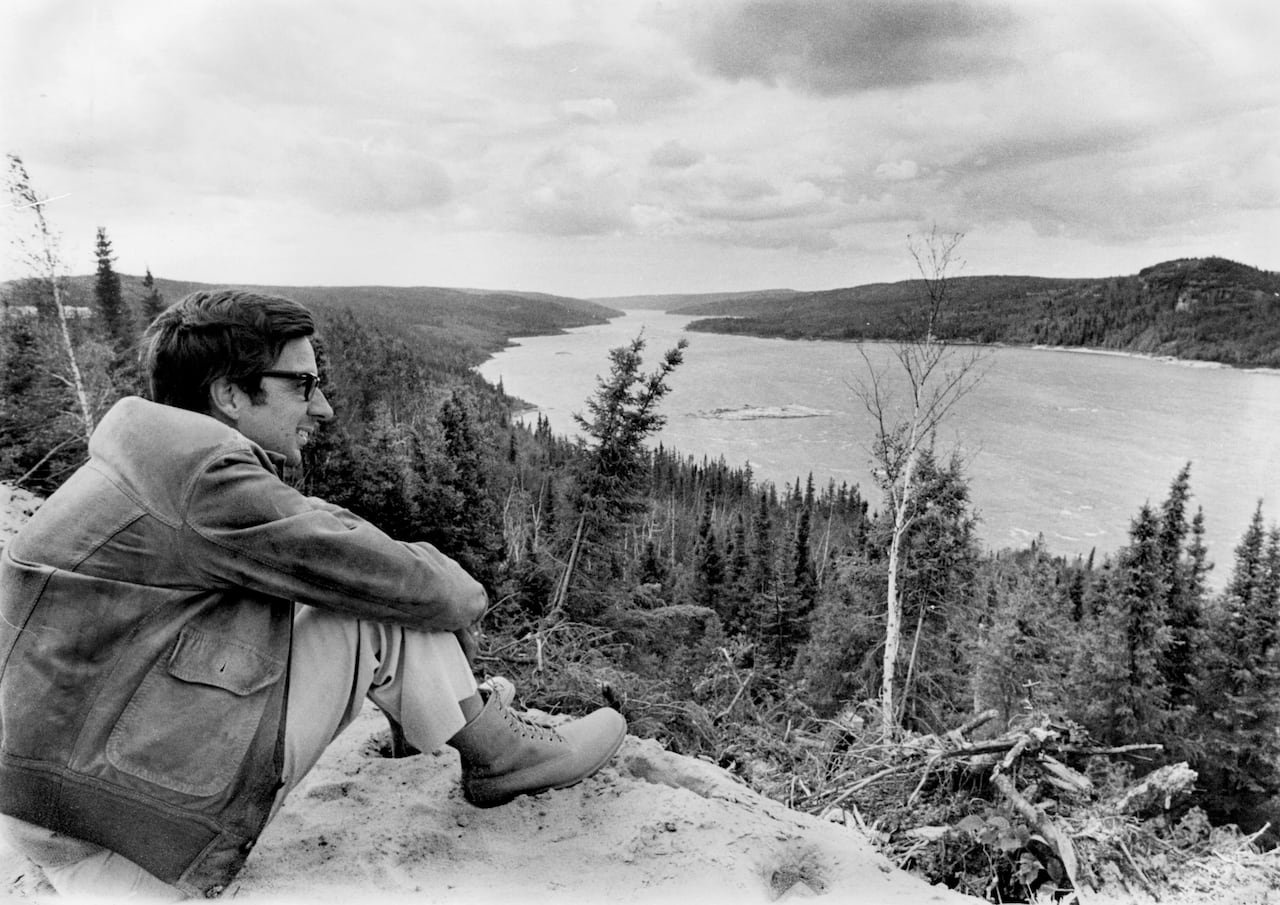
The project demanded a substantial workforce ranging from engineers to cooks, forming a small community dispatched over a thousand kilometers from Montreal as the crow flies to a remote construction site. However, an oversight marred the initial phase as consultation with Cree and Inuit communities, whose lands faced irreversible transformation by this colossal venture, was neglected.
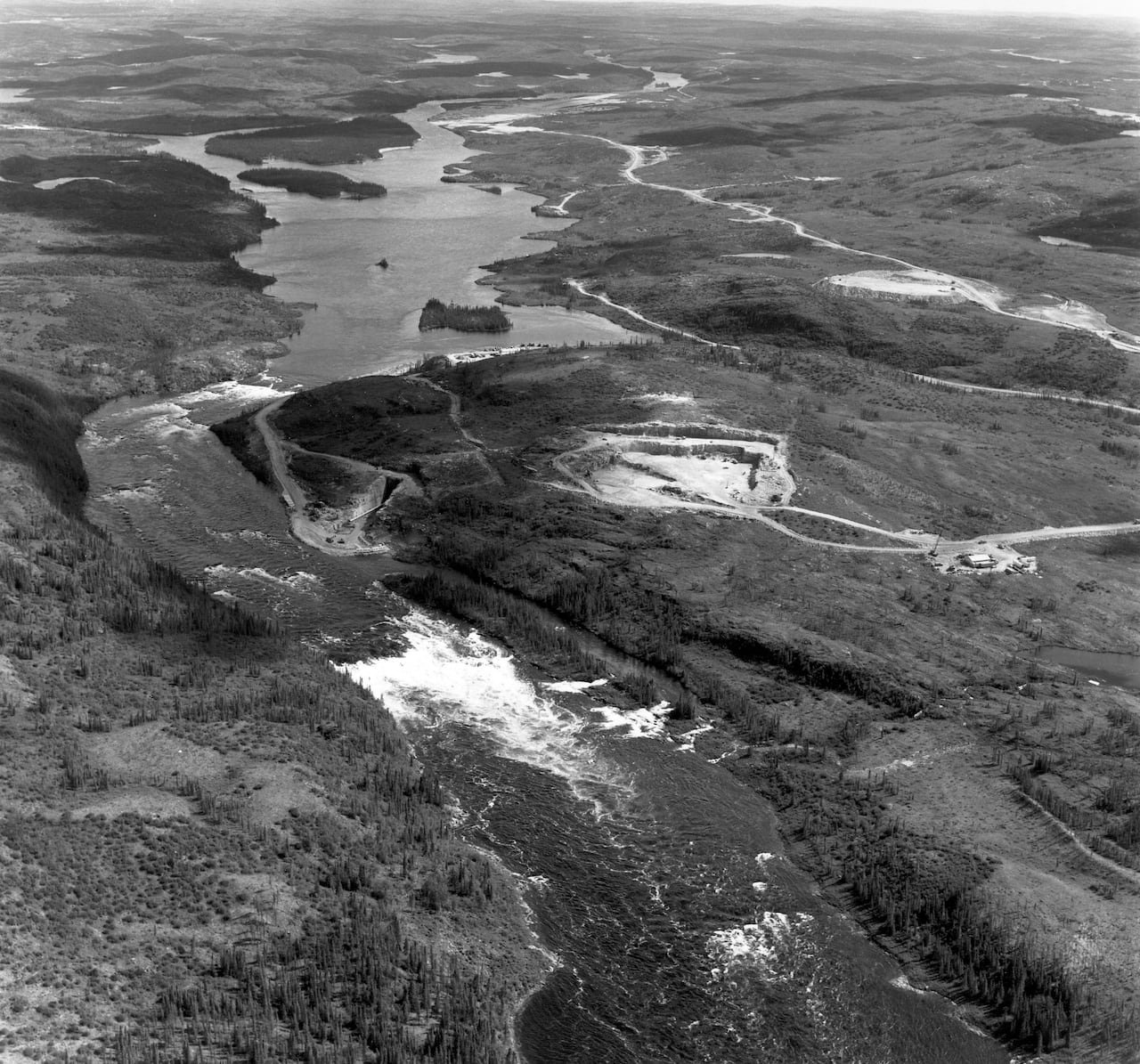
The Unexpected Turn
Charlie Watt, sipping tea while gazing at the Koksoak River flowing into Ungava Bay, reminisces about the traditional salmon season in July at Kuujjuaq. Amidst this customary routine, he reflects on the altered river dynamics due to diversions feeding the James Bay hydro dams, powering half of the province. Recalling past abundant caribou hunting expeditions upriver, Watt laments the diminished water levels hindering boat travel and endangering motors.

His realization of Quebec’s interest in regional development and river utilization predates official notification. Watt stumbled upon Bourassa’s monumental plan by chance at the post office, outlining ambitions to boost northern economy and energy transmission southwards, evoking concerns of jeopardizing their heritage.