
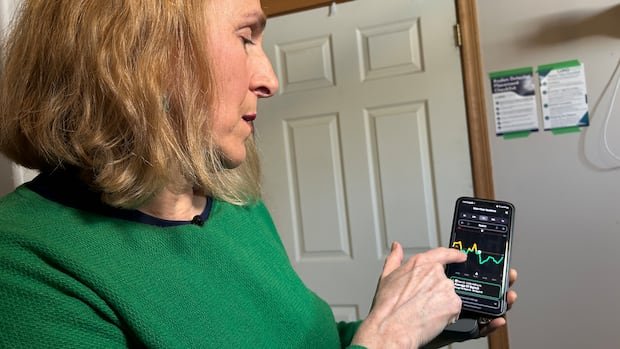
Individuals looking to assess their residence’s radon levels now have a wide array of radon monitors to choose from, available for purchase online or in retail outlets. However, experts caution that many of these devices are ineffective.
Pam Warkentin, the executive director of the Canadian Association of Radon Scientists and Technologists (CARST), which oversees the certification program in collaboration with Health Canada, highlighted the issue of Canadians unknowingly using uncertified or unapproved monitors. She emphasized the importance of reliable detectors for making informed decisions.
Investing in unreliable monitors can result in wasted resources and time. Electronic monitors can cost hundreds of dollars each, and it is recommended to conduct testing for a minimum of three months. Warkentin shared an anecdote about a homeowner who discovered that the monitors he purchased, including for his adult children, had been recalled only after several months of use.
These ineffective devices pose a significant public health threat as they fail to provide accurate radon levels in buildings, potentially discouraging homeowners from taking necessary steps to mitigate radon exposure, a hazardous invisible gas linked to lung cancer. Research indicates that millions of Canadian homes likely have elevated radon levels, contributing to an estimated 3,200 radon-induced lung cancer deaths annually.
Warkentin cautioned that individuals might unknowingly receive misleading low readings from these unreliable devices, potentially leading to a false sense of security.
To conduct accurate radon testing at home and avoid unreliable monitors, Health Canada recommends testing for a duration of three months or longer, ideally during the winter months when buildings are sealed, potentially resulting in higher radon readings.
For extended testing periods, individuals can either hire professional radon measurement services or utilize radon test kits. While some communities offer free radon monitors, homeowners generally bear the cost of purchasing their own devices, which range from passive trackers to electronic monitors providing real-time results.
Warkentin emphasized the issue with certain devices that offer inaccurate readings, labeling them as “false low” readings that do not reflect actual radon levels in homes.
Identifying Approved Monitors
Health Canada’s radon lab in Ottawa conducts tests on home radon monitors to evaluate their performance under standard household conditions. Radon monitors are officially approved and certified through CARST’s Canadian radon certification program overseen by Health Canada.
As of March 2026, only six electronic monitors have received approval for use:
- Airthings Corentium Home.
- Airthings View.
- Aranet RN+.
- Ecosense EcoQube.
- Ecosense RadonEye.
- SunRadon Luft.
Individuals seeking to purchase certified devices can access a list of provincial suppliers through the Take Action on Radon program.
More like thisRelated
“AI Model Mythos Unveiled: Cybersecurity Concerns Rise”

“Iconic ‘Brady Bunch’ House Designated Historic Monument”
“House Moves Towards Vote on Epstein Files Transparency Act”
“NBA Star Shai Gilgeous-Alexander’s Home Burglarized During Game”

About us
New Zealand Press believes in the power of journalism to foster understanding and spark conversations. We pride ourselves on our commitment to quality reporting and adhere to the highest standards of integrity and ethics in journalism.
Company
© All rights reserved by New Zealand Press