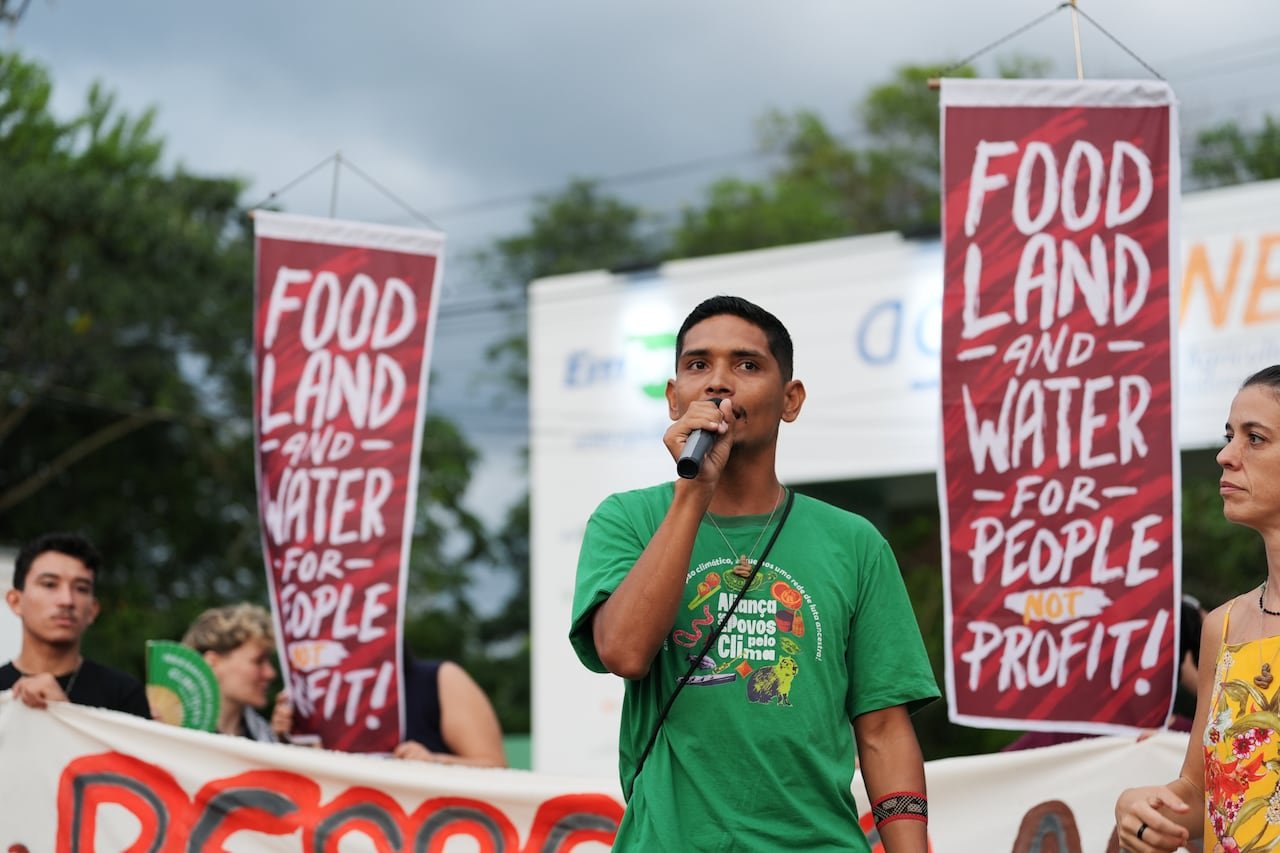
The United Nations’ climate talks kicked off in the vicinity of the Brazilian Amazon on Monday with a focus on intensifying actions to combat global warming by significantly reducing the carbon emissions responsible for it. Notably, key U.S. representatives were notably absent from the discussions.
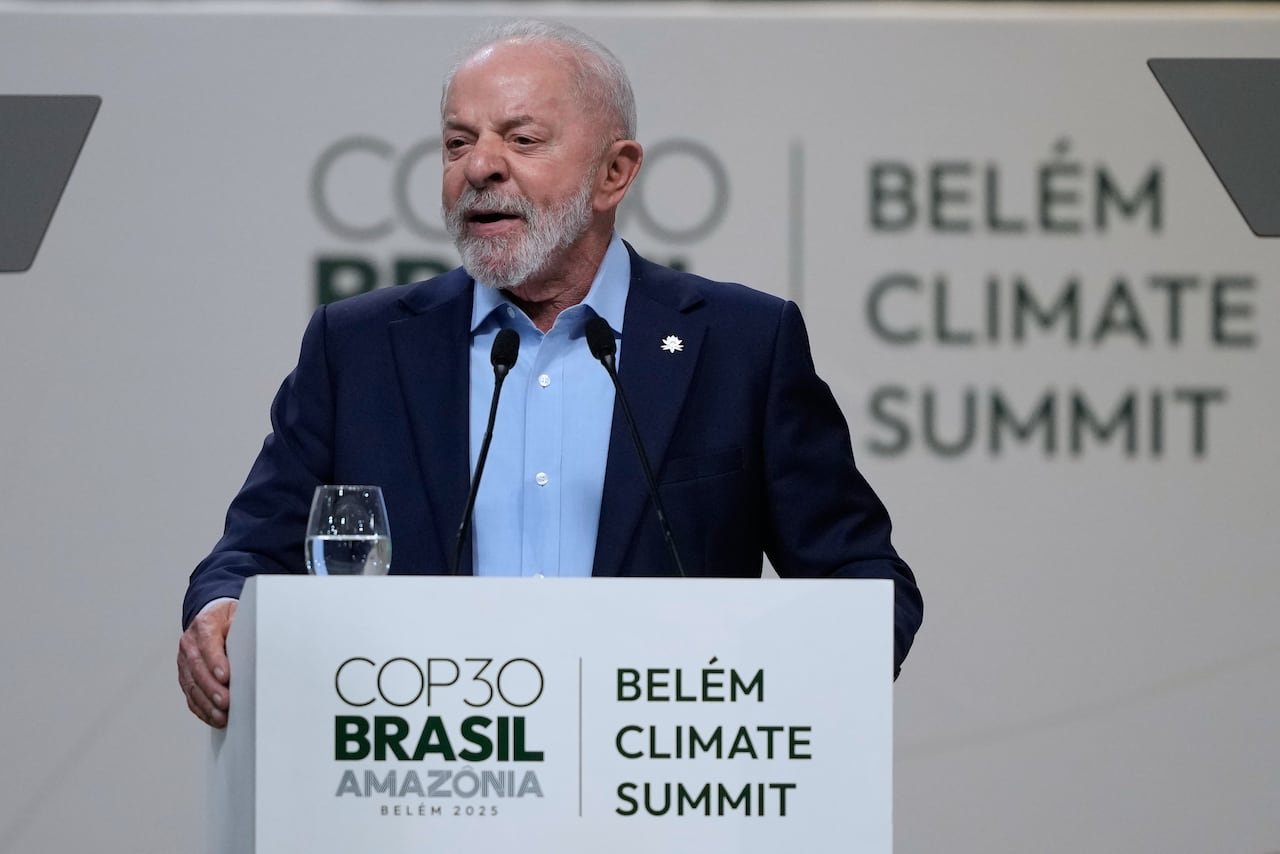
Addressing the negotiators, host President Luiz Inacio Lula da Silva emphasized that “the climate emergency exacerbates inequality.” He deliberately chose the host city of Belém, not a fully developed city, to underscore the impact of climate change on the Amazon region and poverty.
Lula da Silva highlighted that the rise in global temperatures is causing widespread suffering and devastation, particularly affecting the most vulnerable communities, as conveyed at the COP30 conference.
This year’s discussions are not anticipated to result in a groundbreaking new agreement. Instead, the focus is on implementation, with countries expected to present updated national strategies to combat climate change.
Participants stressed the importance of collaboration, highlighting that individual nations alone cannot reduce greenhouse gas emissions at the required pace, as stated by U.N. climate secretary Simon Stiell.
“Your collective responsibility is to address this climate crisis,” Stiell urged the negotiators.
Andre Correa do Lago, the president of this year’s conference, emphasized the concept of “mutirão,” a term derived from a local Indigenous language describing a collective effort towards a common goal.
U.S. Skips Participation
The absence of high-ranking U.S. officials, due to President Donald Trump’s skepticism towards climate change, complicates the global efforts. The U.S. administration has opted for a second withdrawal from the Paris Agreement, the primary international accord aimed at combating climate change.
The Paris Agreement initially aimed to restrict global warming to 1.5 degrees Celsius above pre-industrial levels, a target that many experts now doubt can be achieved.
Historically, the United States has been the largest emitter of carbon dioxide from burning fossil fuels, surpassing other nations. Although China currently holds the top position in carbon emissions, the U.S.’s historical contribution remains significant due to the long-lasting impact of carbon dioxide in the atmosphere.
Without explicitly mentioning the U.S., Brazil’s president denounced climate misinformation, emphasizing the need for truth and scientific integrity at COP30.
“COP30 will stand for truth,” Lula declared. “It’s time to defeat climate change denialists who undermine institutions and scientific knowledge.”