

Ocean Pokue, a young person from Sheshatshiu, cradles a starfish in her hand.
“Ever held one? It feels like a worm that’s covered in sugar,” she remarked. “You get what I’m saying?”
Prior to that June day, Pokue had never experienced holding a starfish. As one of the two dozen Innu youths participating in the Innu Nation’s Uinipeku Expedition, her days are filled with new experiences.
Another participant, Jenny Hurley from Sheshatshiu, echoed her enthusiasm.
“Each morning brings the excitement of something new,” said Hurley. “It’s such a thrill.”
Now in its fourth iteration, the Uinipeku Expedition is a yearly journey focused on ocean science research, navigating through Innu Nation marine territories between Sheshatshiu and Natuashish. The expedition unfolds in two segments over approximately two and a half weeks.
Aboard the MV Polar Athena, which organizers refer to as a “floating classroom and science lab,” the ship accommodates a crew of researchers and educators from various organizations, including Students on Ice, the Department of Fisheries and Oceans, and Innu Nation, alongside Innu elders, protectors, and youth participants.
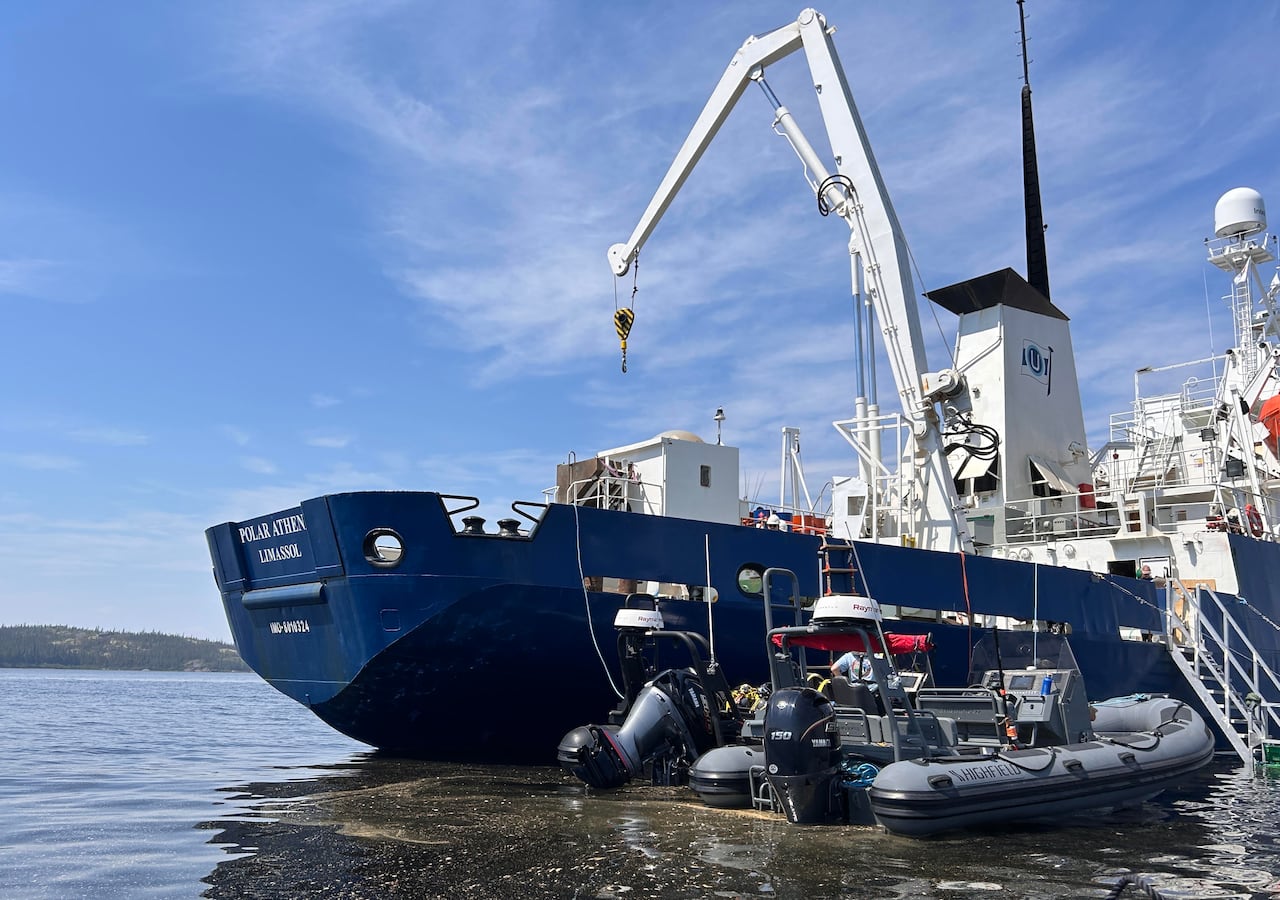
The MV Polar Athena, labeled a “floating classroom,” serves as the primary vessel for the Students on Ice Foundation—a crucial partner with Innu Nation for the Uinipeku Expedition. (Andrea McGuire/CBC)
Co-lead Gioia Montevecchi indicated that the core objectives of the program are ocean science and education.
Co-lead Michael Hannaford mentioned that the initiative was initiated by Innu Nation to gather scientific data related to conservation and economic prospects.
“The main driver for this endeavor was to truly understand and document these areas,” stated Hannaford.
Innu youth describe seeing the mountains as ‘a great gift’
In late June, the Polar Athena is anchored near a beach known as Amishku-Shipiss in Innu-Aimun — or Swallow Harbour in English — which is part of the Akami-Uapishk-KakKasuak−Mealy Mountains National Park Reserve.
Within the main gathering area on the ship’s fourth deck, researchers and youth casually view underwater footage captured earlier that morning.
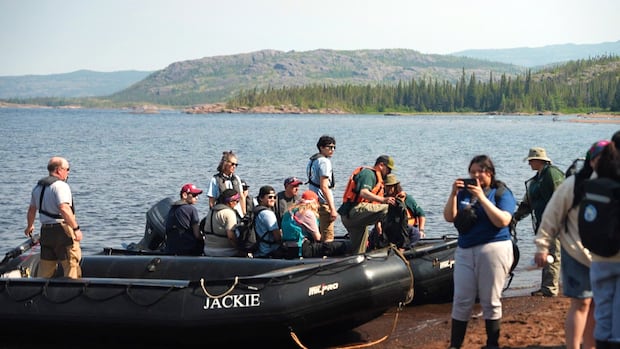
A “floating classroom and science lab” has been sailing through Innu Nation marine zones this summer, carrying a crew full of Innu youth, scientists and educators. It’s all part of Innu Nation’s Uinipeku Expedition, now in its fourth year. After leaving Sheshatshiu, the expedition headed towards the Mealy Mountains. That’s where CBC reporter Andrea McGuire caught up with the group during a sunny day at the beach.
Claire Goodwin, the lead for the expedition’s dive team and a research scientist, elaborated that the footage being viewed depicts a rock wall in Lake Melville that is “totally teeming with life.”
“You can see bright yellow sponge patches, round sponge globes, and these stunning bright pink anemones,” she detailed.
Carla Jourdain, a youth apprentice participating in the Uinipeku Expedition from Sheshatshiu, expressed how remarkable it is to observe the underwater visuals. This marks Jourdain’s second year with the Uinipeku Expedition and her second time sailing into the national park reserve.
“The sight of the mountains is always a delightful surprise,” Jourdain shared.
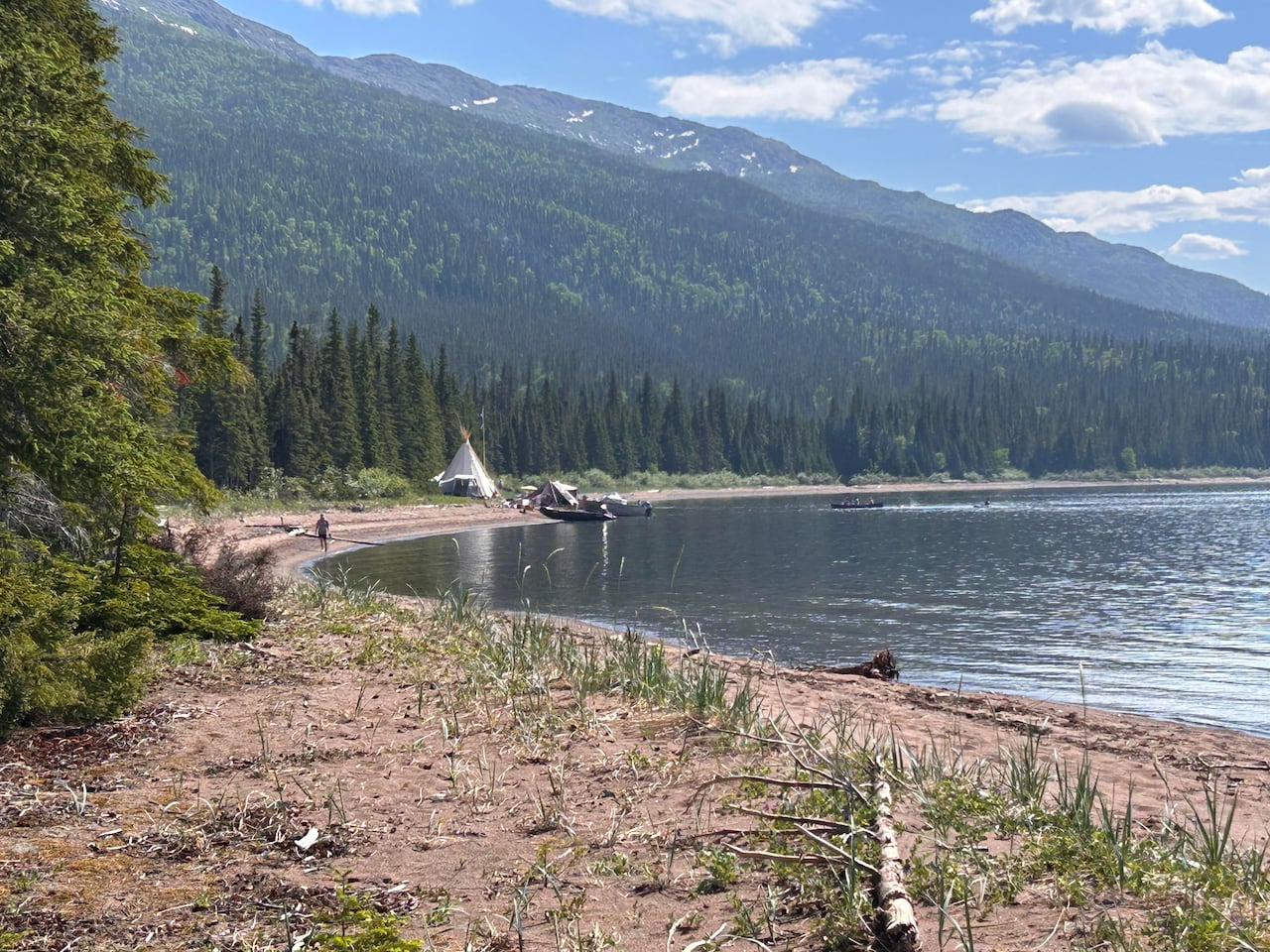
In June, a day of Innu cultural activities was organized at Amishku-Shipiss beach, part of the Akami-Uapishk-KakKasuak−Mealy Mountains National Park Reserve. (Andrea McGuire/CBC)
While the dive team collected footage from the depths of Lake Melville, numerous Innu cultural activities commenced on the beach at Amishku-Shipiss.
Throughout the day, Innu youth had the opportunity to engage in an archaeological dig, attend a foraging workshop, or embark on a hike into the park. They also participated in a workshop led by Innu Cultural Guardian Jodie Ashini, where they painted traditional Innu patterns on caribou skins.
“Caribou played a vital role for the Innu people,” Ashini explained, noting that due to spiritual beliefs, caribou-painted coats have not been designed for more than a century.
Jack Penashue, the Innu Nation superintendent, mentioned his collaboration with Parks Canada on the national park reserve, emphasizing the area’s significance to the Innu for hunting and traditional rituals.
He also highlighted that this location is the birthplace of Pien Penashue, a renowned Innu canoe-maker.
“This is why it holds such importance for us, to preserve and safeguard it, and to share its story,” Penashue noted.
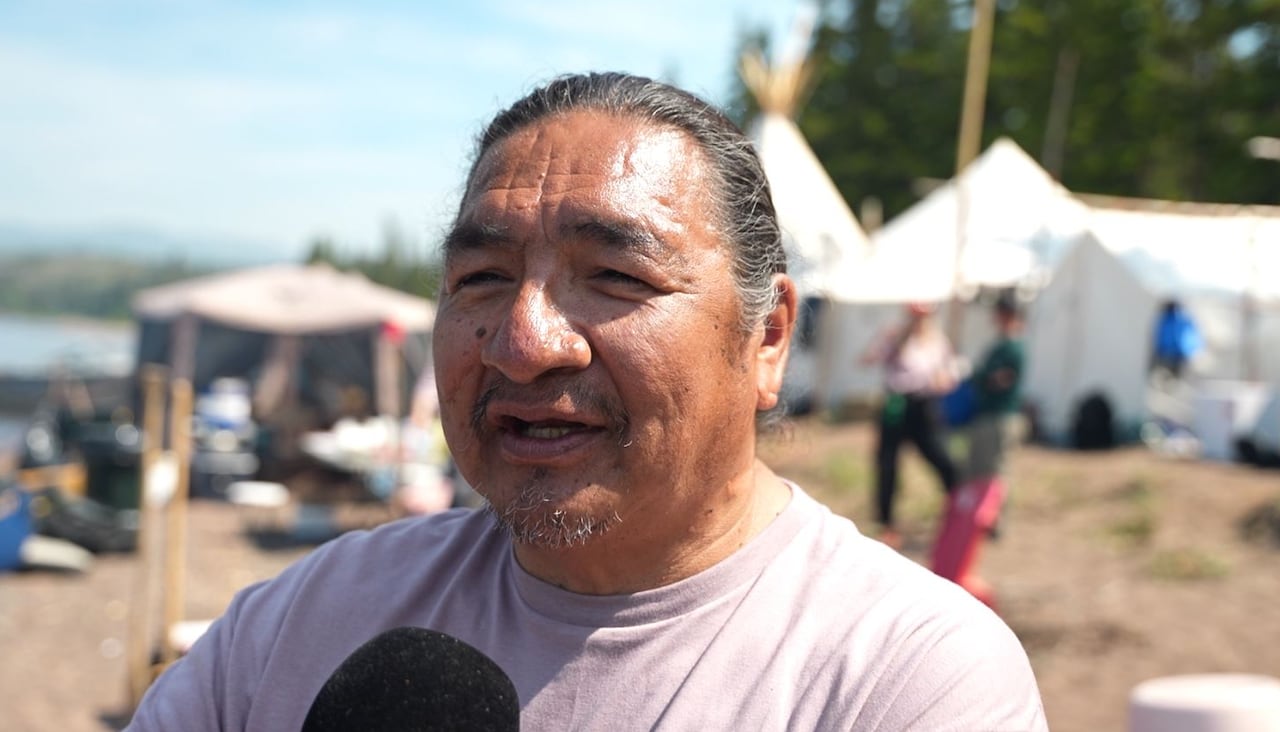
Jack Penashue is Innu Nation’s superintendent working with Parks Canada on the Akami-Uapishk-KakKasuak−Mealy Mountains National Park Reserve. (Andrea McGuire/CBC)
Penashue acknowledges that historically, Innu have been somewhat reserved about sharing their cultural traditions and values, but this is changing.
“We aim to safeguard our history, our culture, and the environment,” Penashue stated.
“We want to share this knowledge with communities, the public, and especially our youth, as opportunities to take young people onto the land are rare.”
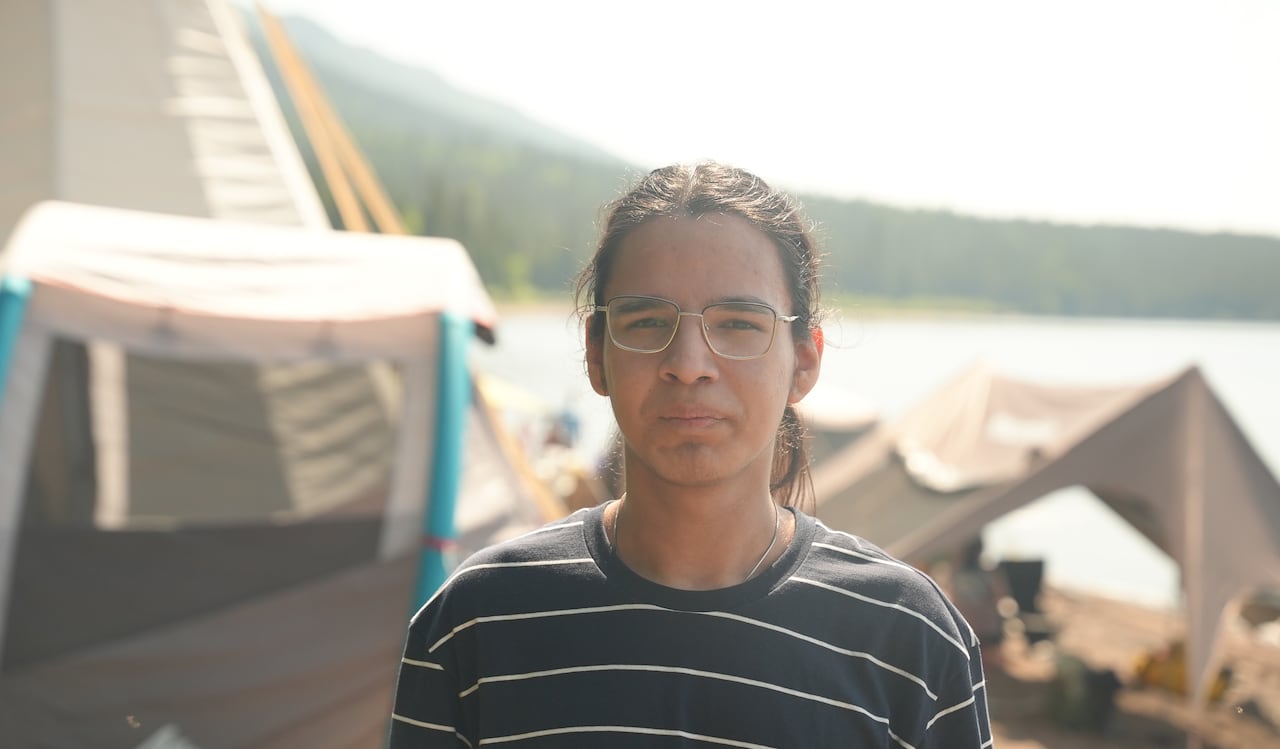
Eighteen-year-old Hayden Gregoire expresses his desire to pursue a career in science. (Andrea McGuire/CBC)
Organizers of the Uinipeku Expedition report a significant increase in interest in the program over the last four years. Initially, they faced challenges in securing enough applicants, but this year saw over 120 applications from Innu youth.
Montevecchi expressed her hope that participants see the program as a stepping stone towards higher education or careers in conservation.
“We have witnessed participants from this expedition pursue related careers, change their career paths, or seek further training to share the narrative of Nitassinan,” she noted, referring to the Innu-Aimun term for “our land.”
Eighteen-year-old Hayden Gregoire is one of the new youths inspired by science. After focusing on ocean science during the expedition, the Sheshatshiu youth expressed his aspirations to become a researcher.
“I’m really enjoying [the expedition] so far,” he shared. “I learn like five new things daily.”
Download our free CBC News app to receive push notifications for CBC Newfoundland and Labrador. Sign up for our daily headlines newsletter here. Click here to visit our landing page.
