

Several well-known species are under consideration for additional protections at global discussions in Brazil. Sharks, giant otters, hyenas, and snowy owls are among the species proposed to be included in the appendices of the Convention on the Conservation of Migratory Species of Wild Animals (CMS), a United Nations environmental treaty. These species do not have fixed habitats, making them vulnerable to threats like deforestation, climate change, and industrial fishing, which necessitate international collaboration for conservation efforts.
Elizabeth Maruma Mrema, deputy executive director of the UN Environment Programme, emphasized the interconnectedness of these species, stating that their movements link continents, oceans, ecosystems, and cultures.
Experts interviewed by CBC News provided insights into the movements, threats, and potential solutions for some of these species. One such species facing challenges is the snowy owl.
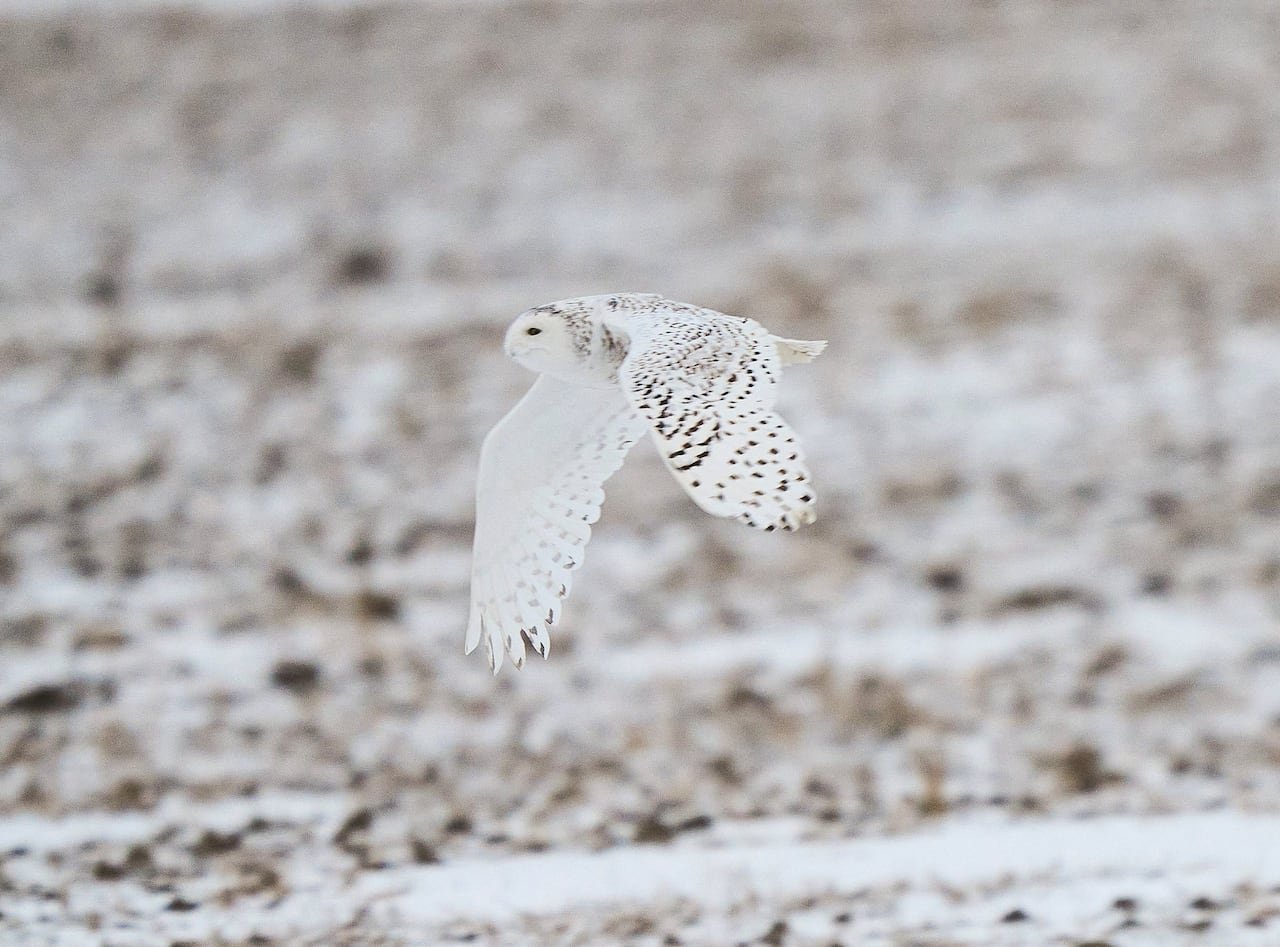
Decline of Snowy Owls
Snowy owls, known for their striking appearance with piercing yellow eyes and camouflaging white feathers, are facing population declines. While thriving in Canada and parts of the United States, their presence is diminishing at the edges of their range. Niklas Aronsson, editor of a bird science magazine, highlighted the regional extinction of snowy owls in Sweden due to factors like food scarcity.
Although not on the brink of extinction, snowy owls are not officially protected in Canada. However, efforts are being made to assess their status and consider protective measures. Norway is proposing to include snowy owls in CMS Appendix II, aiming to promote international cooperation for their conservation.

Challenges Faced by Hammerhead Sharks
Hammerhead sharks, crucial for maintaining ocean health, are at risk due to overfishing driven by the demand for their fins and cartilage. These sharks, known for their unique head shapes and schooling behavior, are highly vulnerable to exploitation. Ecuador is advocating for the inclusion of critically endangered hammerhead species in CMS Appendix I to enforce strict protection measures.
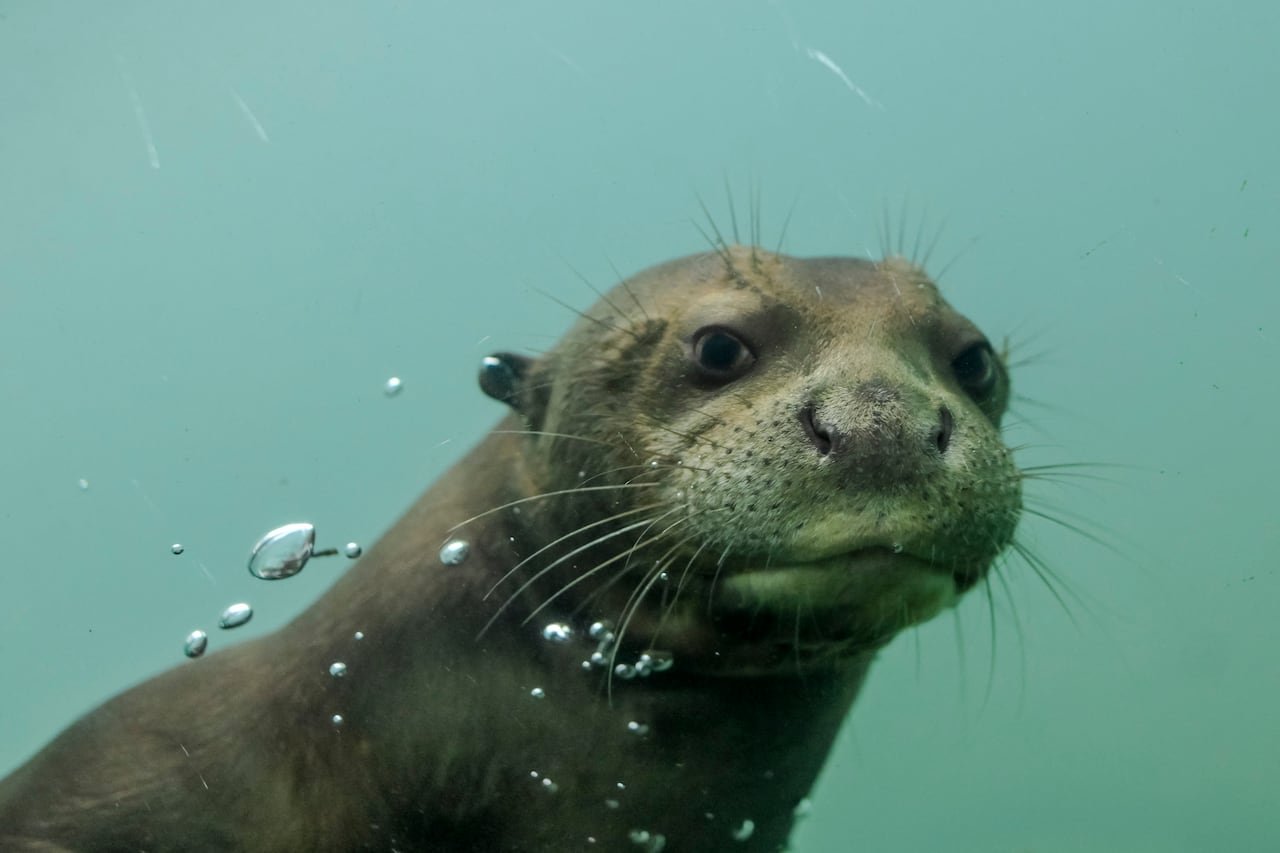
Threats to Giant Otters
Giant otters, acting as sentinels for aquatic ecosystems, are facing habitat loss and pollution challenges. These apex predators play a crucial role in indicating the water quality and ecosystem health. With significant habitat loss observed in countries like Argentina and Uruguay, urgent conservation actions are needed to protect viable populations in Brazil.
The ongoing conference in Brazil will address various proposals to enhance the conservation status of migratory species, with discussions and decisions on the inclusion of species in the appendices continuing until March 29.
<a href="https://www.cbc.ca/news/climate/snowy-owls-otters-hammerhead-un-migratory-species-9.714
