

This week, a set of studies released in The Lancet reinforces the mounting evidence: Ultra-processed foods are detrimental to health.
Researchers have linked these foods to long-term health issues, including obesity, Type 2 diabetes, and heart disease. They assert that consumers and policymakers need to act to reduce consumption — particularly as Canadians increasingly buy and consume these products.
However, experts point out significant obstacles that prevent Canadians from accessing and opting for healthier choices, such as whole foods and fresh produce, including those who assist food-insecure communities.
For instance, ultra-processed foods are generally less expensive. A study from the U.S., appearing in Frontiers in Nutrition, indicates that the cost of ultra-processed food is approximately 55 cents per 100 calories, while unprocessed foods can cost nearly three times that amount for the same caloric intake.
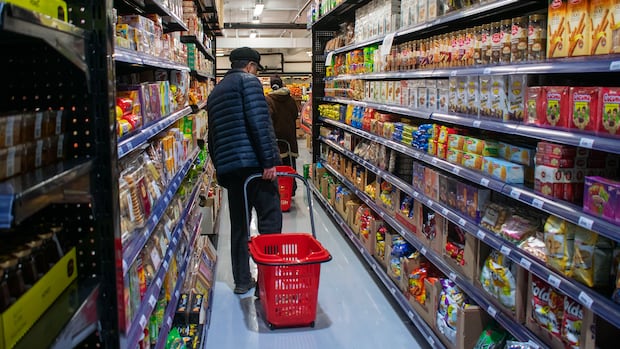
These foods are also more convenient to prepare and can be stored for longer periods; this is particularly beneficial for individuals who are pressed for time or lack the necessary tools and space to prepare fresh items.
Furthermore, data suggests that Canadians often opt for ultra-processed foods when time is scarce. A recent study by Statistics Canada analyzing the consumption of ultra-processed foods indicated that these products are frequently consumed at breakfast, a time when many are often hurried.
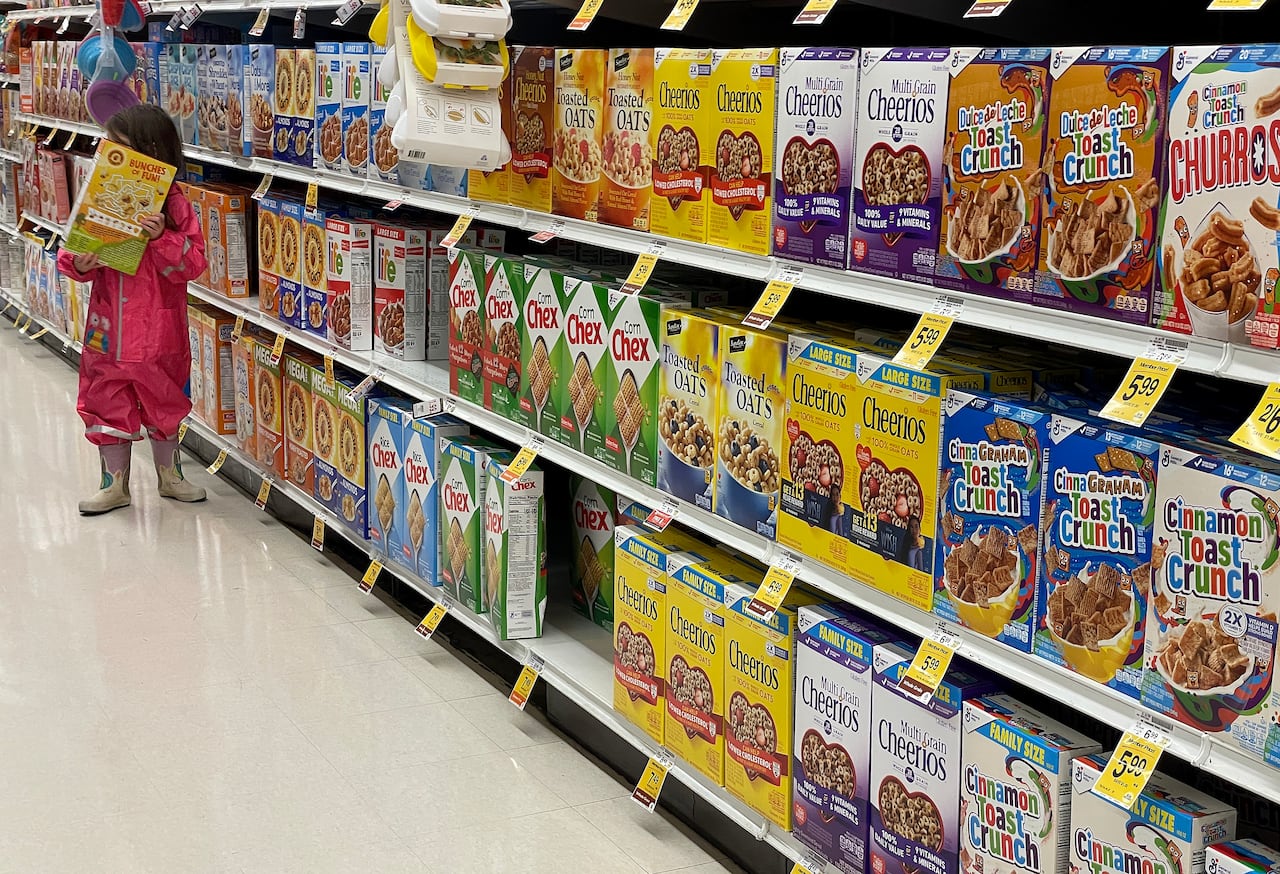
Cereal boxes are seen on a grocery store shelf in San Anselmo, California, in this file photo from 2023. Some data suggests that Canadians choose ultra-processed options, like cereals, in the morning when they are short on time. (Justin Sullivan/Getty Images)
‘Only option’ for some
Kitty Raman Costa, who operates the Parkdale Community Food Bank in Toronto, understands this reality well. Although her food bank provides fresh produce alongside ready-to-eat foods, she states that many individuals select ultra-processed options because they believe they have no alternative.
“They’re not only more convenient — they’re the sole option for some people, based on their circumstances,” she remarked.
This scenario applies to individuals with disabilities or chronic illnesses, who may face difficulties preparing meals, Raman Costa explained. Additionally, those living in inadequate housing encounter challenges in accessing nutritious food.
“Often, they lack access to a proper kitchen to safely store and prepare fresh food,” she noted.
Providing adequate and safe housing, which includes a kitchen and proper refrigeration, would enable those she serves to select healthier food options.
A recent U.S. study published in JAMA Oncology associates higher consumption of ultra-processed foods with the development of early colorectal polyps, potentially explaining the rise in colorectal cancer rates among younger adults.
Food literacy, access to kitchens
Another challenge, according to Raman Costa, is that some individuals are uncertain about how to use certain unfamiliar ingredients provided at food banks, such as rutabagas.
Providing cooking skills training could help alleviate this issue. Therefore, her food bank offers cooking classes and has developed a community cookbook that features commonly available food bank ingredients.
Experts like David Ma, a professor in the human health sciences department at the University of Guelph, believe that utilizing cookbooks to enhance food literacy is an effective approach.
“Food literacy in Canada is low,” Ma stated, and the excessive consumption of ultra-processed foods is evidence of this issue.
“We must improve our nutrition literacy and food preparation skills,” he added.
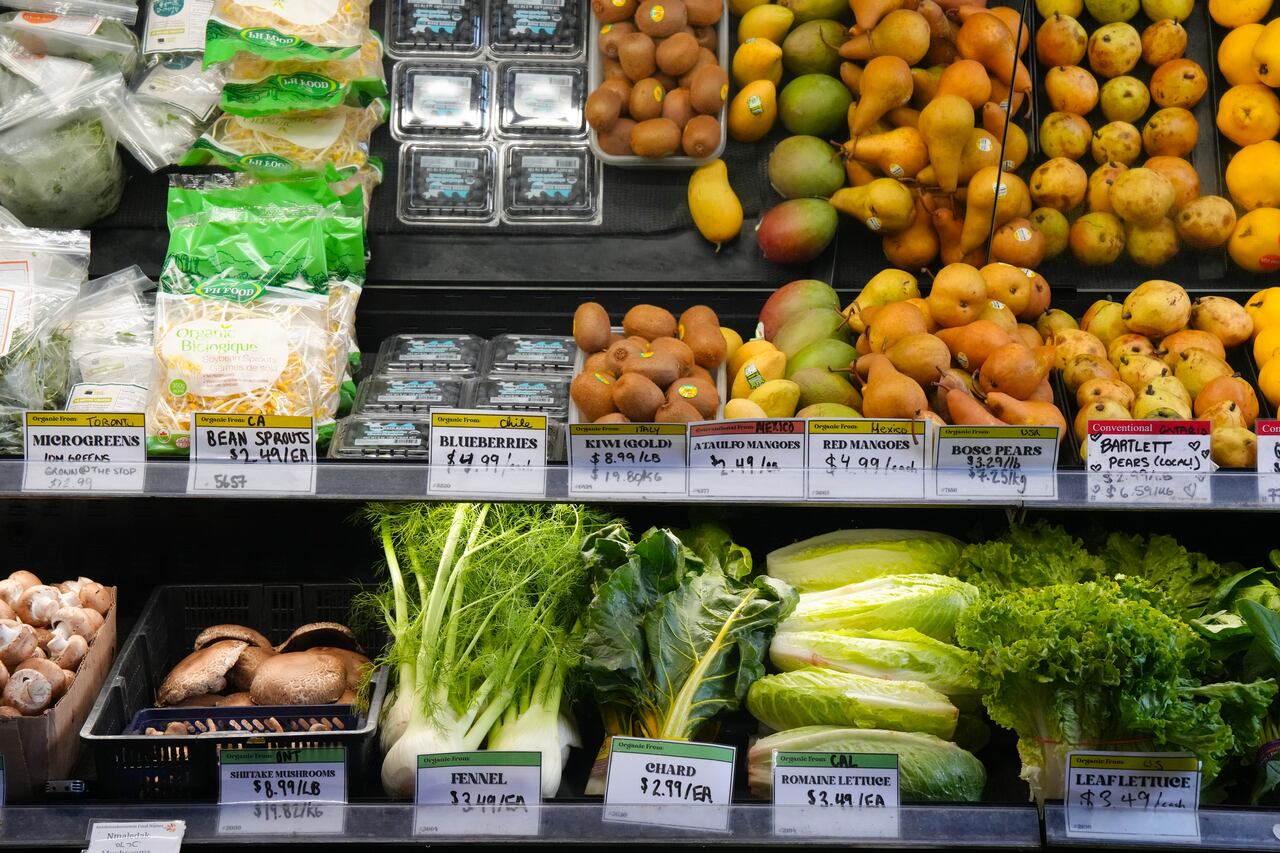
Educating individuals, including children, on how to properly serve or cook fresh foods is one method to reduce reliance on ultra-processed products, experts suggest. (Chris Young/The Canadian Press)
This includes public education to ensure that individuals understand what constitutes an ultra-processed food, along with teaching basic cooking skills to children from a young age.
“Simply knowing how to hold a knife and chop vegetables; that’s a fundamental cooking skill that some families and children lack,” Ma explained, who leads the Guelph Family Health study, monitoring hundreds of families in Ontario regarding their dietary and lifestyle choices.
His program also provides a range of cookbooks aimed at helping busy young families prepare healthy meals from scratch at home.
-
What are the ultra-processed foods we eat and why does it matter to our health?
-
Eating more ultra-processed foods tied to increased risk of early-onset colorectal cancer
Eating at home typically leads to lower consumption of ultra-processed foods, as indicated by the Statistics Canada report, which examined survey data from 2015.
Nonetheless, researchers caution that even meals prepared at home are not entirely free from unhealthy options: Over 40 percent of the calories consumed at home still originated from ultra-processed foods, according to the report.
These foods are prevalent within our food supply, which may exacerbate the issue, researchers noted.
‘We can’t be the last country’
In various nations around the globe, such as Brazil, governments are actively addressing the proliferation of ultra-processed foods in schools. In that country’s free school lunch program, 90 percent of the food provided must be minimally processed, with a significant portion sourced from local farmers.
Canadian nutrition expert Jean Claude Moubarac, who assisted in developing the program, is now advocating for Canada to adopt similar initiatives.

“I believe we should aim to replicate the essence of the program, which is to reassess the quality of food provided to children,” stated Moubarac, who co-authored two of the studies published in The Lancet this week.
Countries such as Mexico, Brazil, and Chile have also taken steps to limit the marketing of unhealthy foods, particularly to children, Moubarac highlighted. Others have strengthened food labeling regulations to facilitate the identification of ultra-processed products.
“We need to find ways to empower ourselves to change our food system by creating innovative policies that meet our needs,” he concluded.
Countries such as France, Brazil, and Mexico are leading the way in restricting the consumption of ultra-processed foods, Moubarac noted, expressing his desire for Canada to join these efforts.
“We have a significant opportunity to tackle the chronic diseases we face in this country by transforming our food system,” he asserted. “We cannot afford to be the last nation to take action.”
