If you’re not having luck fishing, it might not be your fault.
There could be fewer fish being released into your favorite fishing spot.
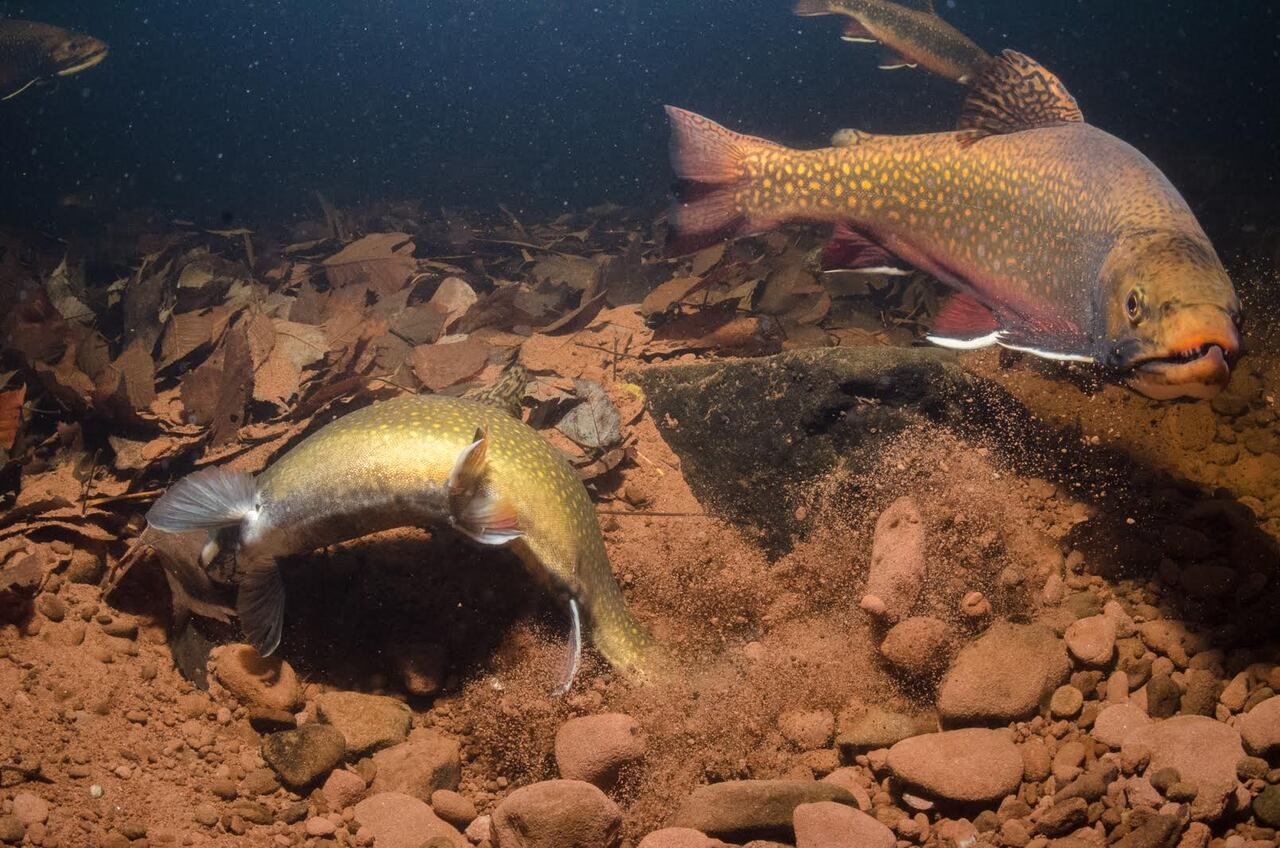
The Nova Scotia stocking program gathers fish, mainly brook and rainbow trout, from three provincial hatcheries, nurtures them for one to two years, and then sets them free in lakes. This practice benefits the local fish populations and boosts tourism by attracting recreational anglers.
Last year’s dry spell caused changes. Stephen Thibodeau, a manager at the Nova Scotia Department of Fisheries and Aquaculture, mentioned that currently, no rainbow trout are being stocked, and there will be a reduced number of brook trout available for stocking this spring.
“Due to the need to conserve water during the drought, we had to scale back the number of ponds in operation,” Thibodeau explained. The hatcheries rely on water from nearby sources like rivers and lakes for their ponds.
“As we closed down some ponds to save water, we had to release fish earlier than usual since we had limited capacity to hold them,” Thibodeau added.
Thibodeau stated that approximately 130,000 brook trout are ready for spring stocking, which is about 60% lower than in normal years.
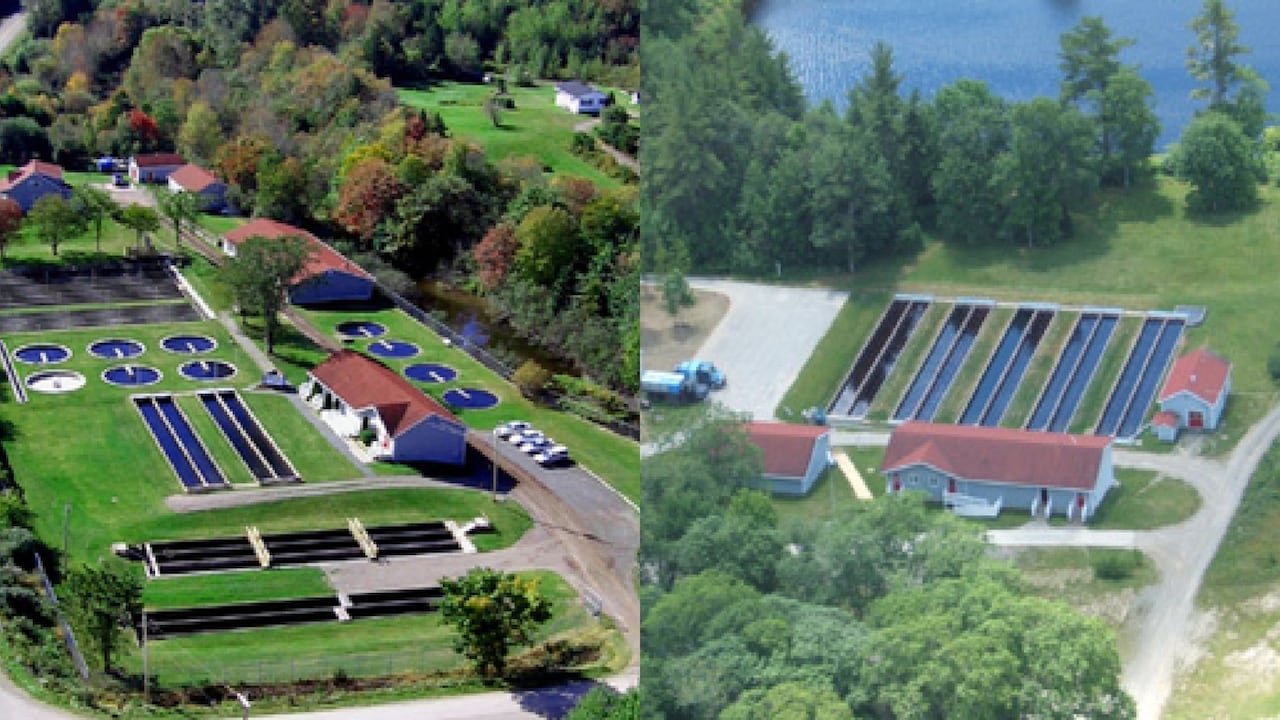
The typical hatchery cycle lasts a year, with new fry being raised each spring and released as yearlings a year later. Sometimes, the fish are grown for up to two years.
However, due to the early release of fish in 2025 caused by the drought, the 2026 stock has been reduced.
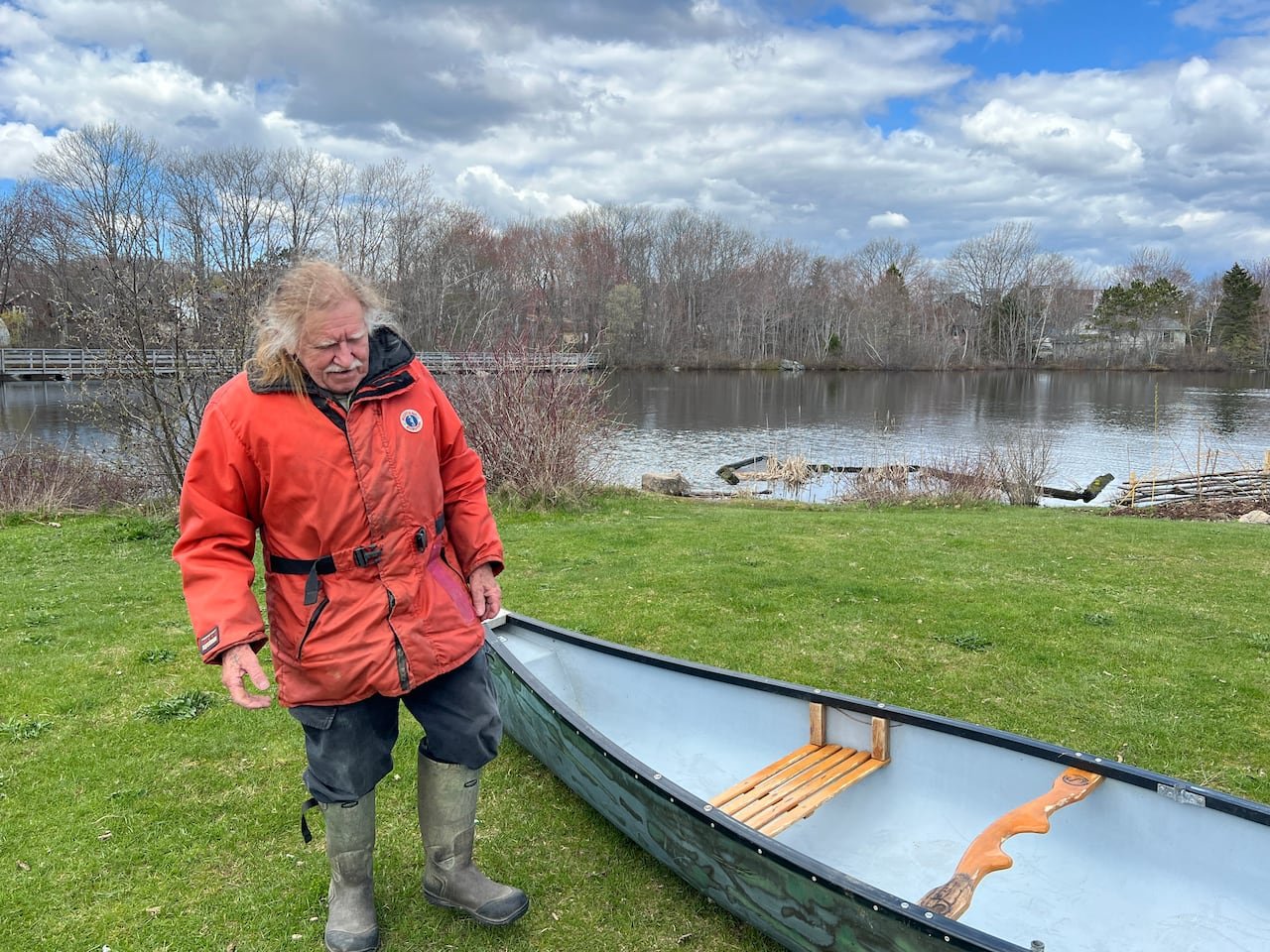
Mike Christmas, a passionate angler and owner of Mike’s Rigs N’ Jigs, expressed concerns that the decreased fish population might discourage novice anglers.
Christmas operates his business from his Dartmouth home overlooking Albro Lake, a popular fishing spot that gets stocked annually in the spring.
The lake is known for its accessibility, proximity to the city, and abundant catches, which typically attract beginner anglers. However, a lower trout supply could change this dynamic.
“The most frustrating part of fishing is not spotting any fish,” Christmas remarked.
Future impacts of droughts
Thibodeau assured that the effects of the drought should only impact this year’s stock, and by 2027, things should return to normal.
He mentioned that the lakes currently housing trout and other sought-after species for anglers can sustain fishing pressure even without stocked trout.
Thibodeau also shared that his team is discussing strategies to better cope with severe and more frequent weather events like the 2025 drought.
“In my 24 years working in inland fisheries, that was the most severe drought I have encountered,” Thibodeau stated.