

This article is part of Mind Your Business, a weekly review of the most significant business stories shared with subscribers on Monday mornings. If you haven’t subscribed yet, you can sign up by clicking here.
Resolving the conflict in the Middle East marks just the beginning. Ensuring the sustainability of the agreement and restoring global energy supply chains present greater challenges.
Upon the announcement of a deal by U.S. President Donald Trump, shared on his social media platform Truth Social, he sanctioned the immediate lifting of the U.S. Naval blockade. Trump urged ships worldwide to commence operations and facilitate the flow of oil.
Although the specific terms of the agreement remain undisclosed, the timeline for resuming oil transport accelerated. Trump revised the schedule, indicating that the opening of the Strait of Hormuz would occur later in the week, coinciding with the deal’s signing on Friday.
However, rejuvenating oil transportation demands more than a mere memorandum of understanding.
Experts predict a prolonged recovery period before the energy markets stabilize post the conflict.
A Disrupted Supply Chain
Under normal circumstances, approximately 20 million barrels of oil transit through the strait daily. However, over the 100+ days of conflict, a significant gap emerged in the global oil supply.
While some shipments successfully navigated the crisis, with Saudi Arabia rerouting tankers and Iraq managing to export substantial volumes, an estimated billion barrels of oil remain unaccounted for.
Reviving a fractured supply chain poses substantial logistical hurdles, given the extensive damages inflicted on production facilities across the Persian Gulf from airstrikes and drone assaults.
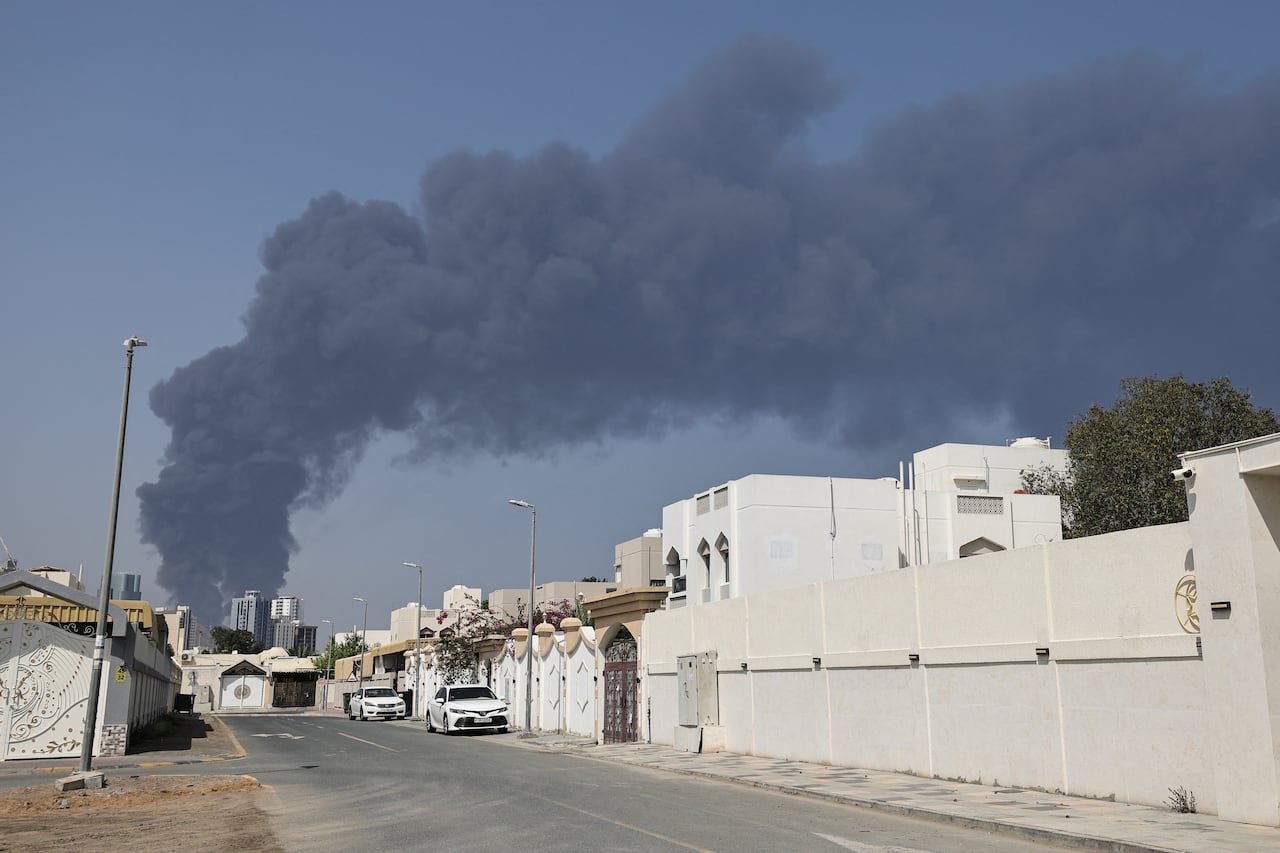
The process of reconstruction, in some instances, may span several years.
The stranded vessels present another significant obstacle, with around 1,500 ships confined in the gulf for over three months. Many require maintenance and repairs before they can recommence operations, addressing issues such as barnacle accumulation during the prolonged idle period.
Releasing the ships resolves only part of the challenge; the essential requirement is for empty vessels to enter the gulf to transport oil to global destinations.
Reestablishing the shipping routes poses complexities as existing ships have dispersed in search of available oil. Their return to the region hinges on shipping companies deeming the transportation lanes secure and operational.
Slow Progress of Tankers
Oil tankers do not navigate swiftly across the seas.
Typically, tankers move at a pace comparable to that of a bicycle while traversing global waters.
During the closure of the Strait of Hormuz, JP Morgan illustrated the extended duration required for the last tankers exiting the gulf to reach distant destinations.
Even with the strait reopening, production resuming, and enhanced safety measures for passage, considerable time will elapse before initial shipments reach their destinations.
Shell CEO Wael Sawan highlighted at an energy conference in Malaysia the significant global crude oil production offline, estimating a prolonged period, potentially exceeding a year, for the market to stabilize.
The news of an initial agreement to conclude the conflict buoyed energy markets on Monday, resulting in a decline in oil prices and an upsurge in stocks.
While gasoline prices fluctuate in tandem with oil prices, analysts caution that neither commodity will return to pre-conflict levels until the underlying energy flow and supply challenges
