

A recent study reveals that the reduced snowpack levels on Vancouver Island could put added pressure on salmon populations already grappling with habitat deterioration, overfishing, and warmer temperatures.
According to the latest data released by the province, Vancouver Island’s snowpack levels were at a mere 44% of the normal average by April 1.
Experts caution that the diminished snowpack will result in rapid snowmelt during the upcoming spring, leading to decreased water levels and potential drying of pools crucial for adult salmon returning to rivers from their spawning areas in the fall.
Researchers advocate for collaborative efforts between the province and local communities to safeguard watersheds, protect salmon populations, and address the adverse effects of climate change to support the struggling salmon species.
Expressing concerns, Aaron Hill, Executive Director of the Watershed Watch Salmon Society, highlighted the heightened risk posed by the low snowpack in conjunction with anticipated warmer summer temperatures, potentially setting the stage for catastrophic outcomes.
Hill pointed out a recurring cycle of droughts and floods in the province, exerting significant pressure on salmon populations.
Tom Balfour, a habitat biologist with the Redd Fish Restoration Society, emphasized the possibility of substantial die-offs in pools where juvenile salmon congregate during summer, which could have a cascading effect on larger salmon populations.
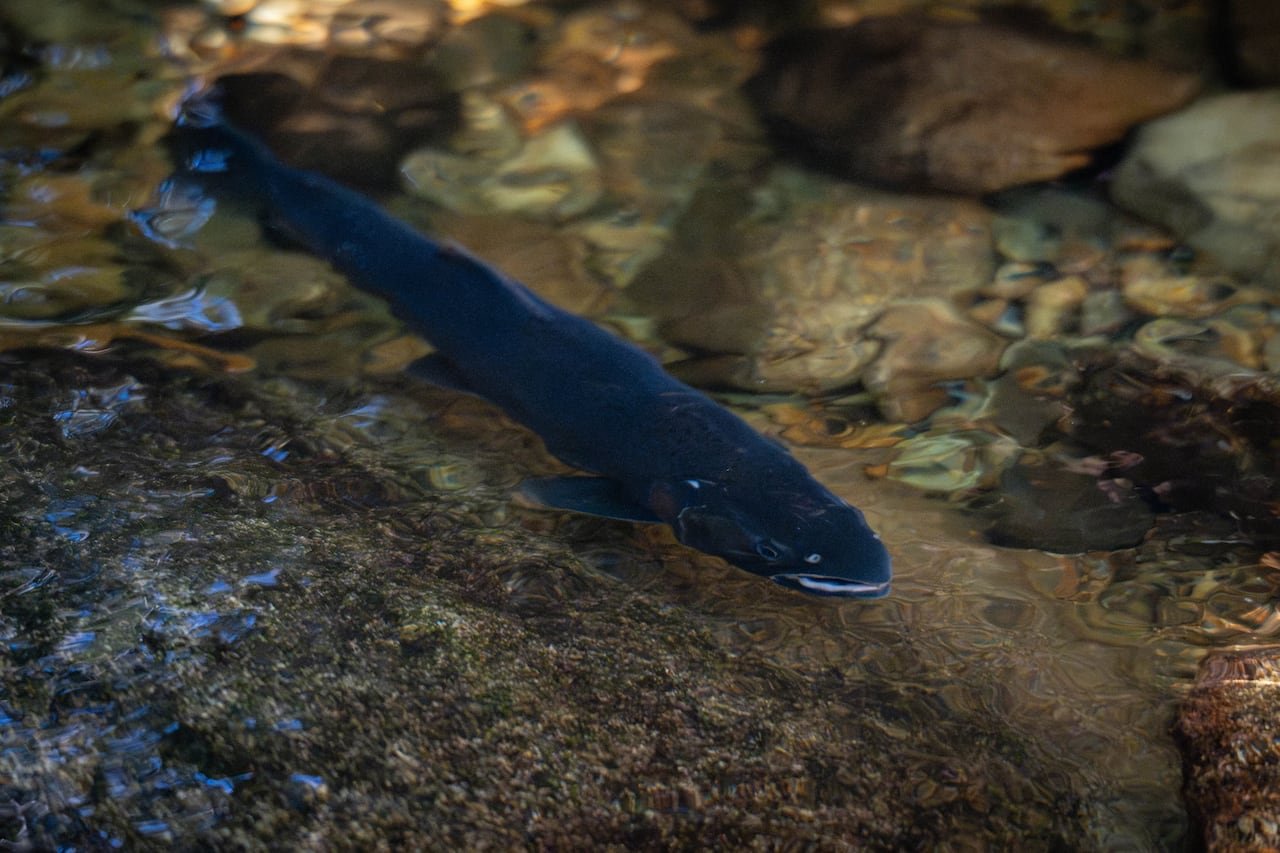
He further explained that the accelerated snowmelt resulting from low snowpack levels could significantly impact the salmon life cycle as they adapt to increased water levels in the spring.
Balfour urged the public to advocate for the implementation of long-term conservation and restoration strategies for watersheds, while also remaining vigilant for stranded fish and drying pools during the spring and summer months.
He remarked, “One thing we definitely don’t have enough of in this province, is that kind of monitoring.”
Addressing the need for greater collaboration at the local level, John Richardson, a professor at the University of British Columbia’s forest and conservation sciences department, highlighted the risk of increased predation on salmon due to reduced water levels in streams and lakes resulting from diminished snowmelt.
He emphasized the importance of retaining trees near small streams by actively engaging the forestry industry to provide essential shade that can help mitigate the stress on salmon, particularly those sensitive to high water temperatures.
He described stream shading as a vital climate-proofing measure that could assist in moderating the impacts of global climate change on stream temperatures.
Advocating for proactive drought planning and prevention, Aaron Hill stressed the need for the province to play a more active role in supporting local governments and indigenous communities in developing sustainable water plans to mitigate the effects of drought.
