

Residents of the southern regions of Canada have been treated to stunning displays of colorful lights in the night sky due to heightened solar activity over the past couple of years. However, as the sun enters a less active phase of its 11-year cycle, the spectacle of the northern lights is expected to diminish.
The prime locations to witness the auroras will continue to be in the Northwest Territories, Yukon, and Nunavut, where the auroral oval, a luminous ring encircling the magnetic poles, is most prominent, according to Ethen Sun, a Ph.D. candidate at the University of Toronto’s David A. Dunlap astronomy and astrophysics department.
As solar activity decreases, sightings of auroras in southern Canada, including areas in Ontario, British Columbia, Saskatchewan, and Manitoba, will become less frequent, Sun noted.
The sun undergoes periods of intense solar maximum and low-activity solar minimum. “We are currently about 18 months past the maximum,” Sun explained. “The activity is declining, and it is expected to reach its minimum around 2031. While the sun is still moderately active due to its position in the cycle, it is gradually decreasing.”
The solar maximum phase is characterized by various solar events such as coronal mass ejections, flares, sunspot increases, and geomagnetic storms, leading to vibrant displays of the northern lights.
Around the 60th parallel, auroras can be observed almost nightly, regardless of solar activity levels. The optimal period to view the auroras is between September and April, with particularly dazzling shows around the spring and autumn equinoxes, Sun added.
Even within the auroral oval, some of the heightened activity witnessed over the past two years may diminish as solar activity subsides. Consequently, the prime time for optimal viewing will gradually diminish as well. “The additional colors and movement typically occur during stormy conditions,” Sun explained.
Arctic skies provide the most reliable backdrop for auroras on Earth
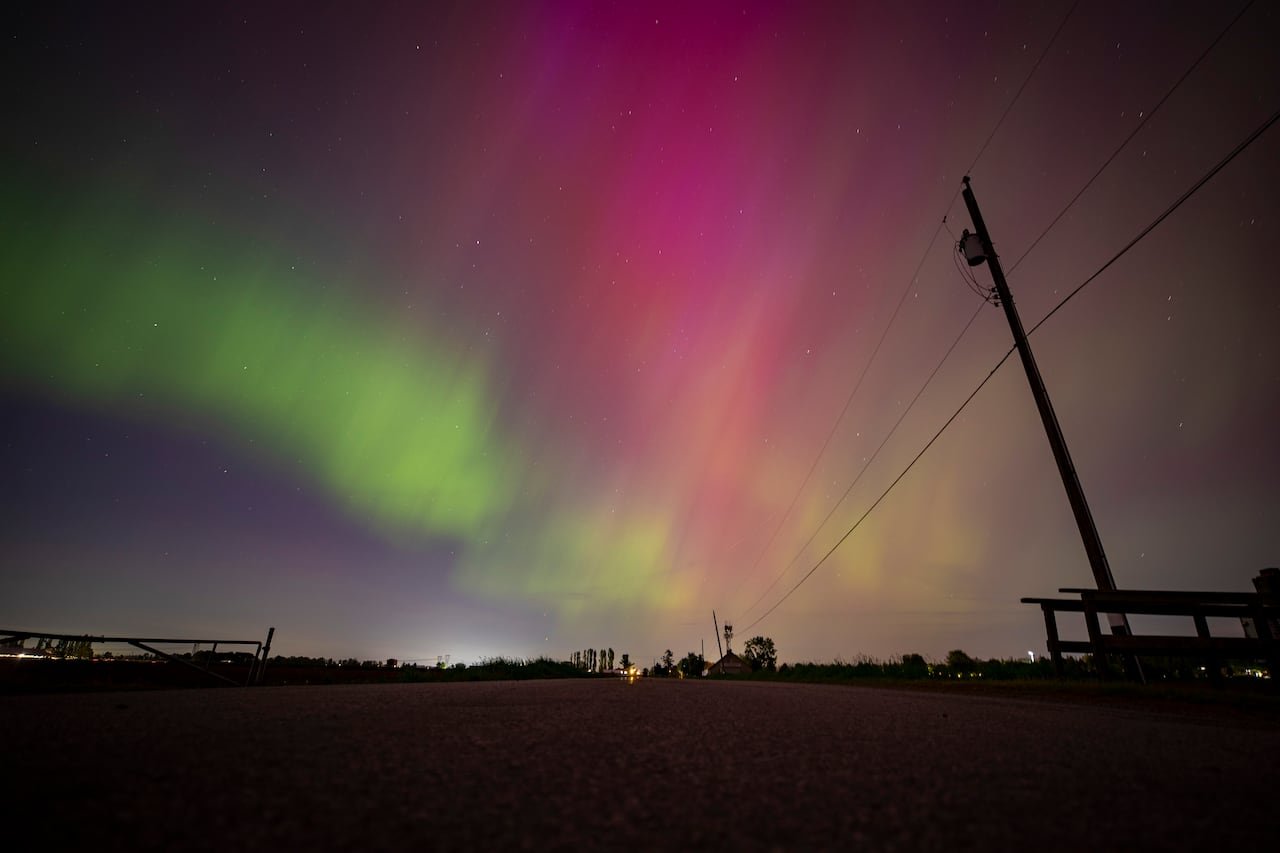
Reports from Tourism Yukon for 2024 and 2025 revealed plans to capitalize on the solar maximum period between 2023 and 2025, with the northern lights serving as a major attraction for tourists. Visitors from the United Kingdom, Germany, Switzerland, and Australia have shown particular interest in witnessing the northern lights.
Statistics from the government’s website indicated that tourism contributed $484 million to the territory in 2025.
Aaron Ratko, a board member of the Wilderness Tourism Association of Yukon, mentioned observing tourists visiting during different seasons. He noted that tourists may initially visit during winter, enduring temperatures of around -40°C, to experience the aurora. Ratko, who also owns Northern Tales Travel Services, a tourism company, stated, “As returning customers, they come back to enjoy the aurora during the fall when the weather is milder and engage in various day tours.”
His company does not monitor the solar maximum, but Ratko commented, “I believe this cycle has extended the reach of the aurora further south, drawing attention to itself.”
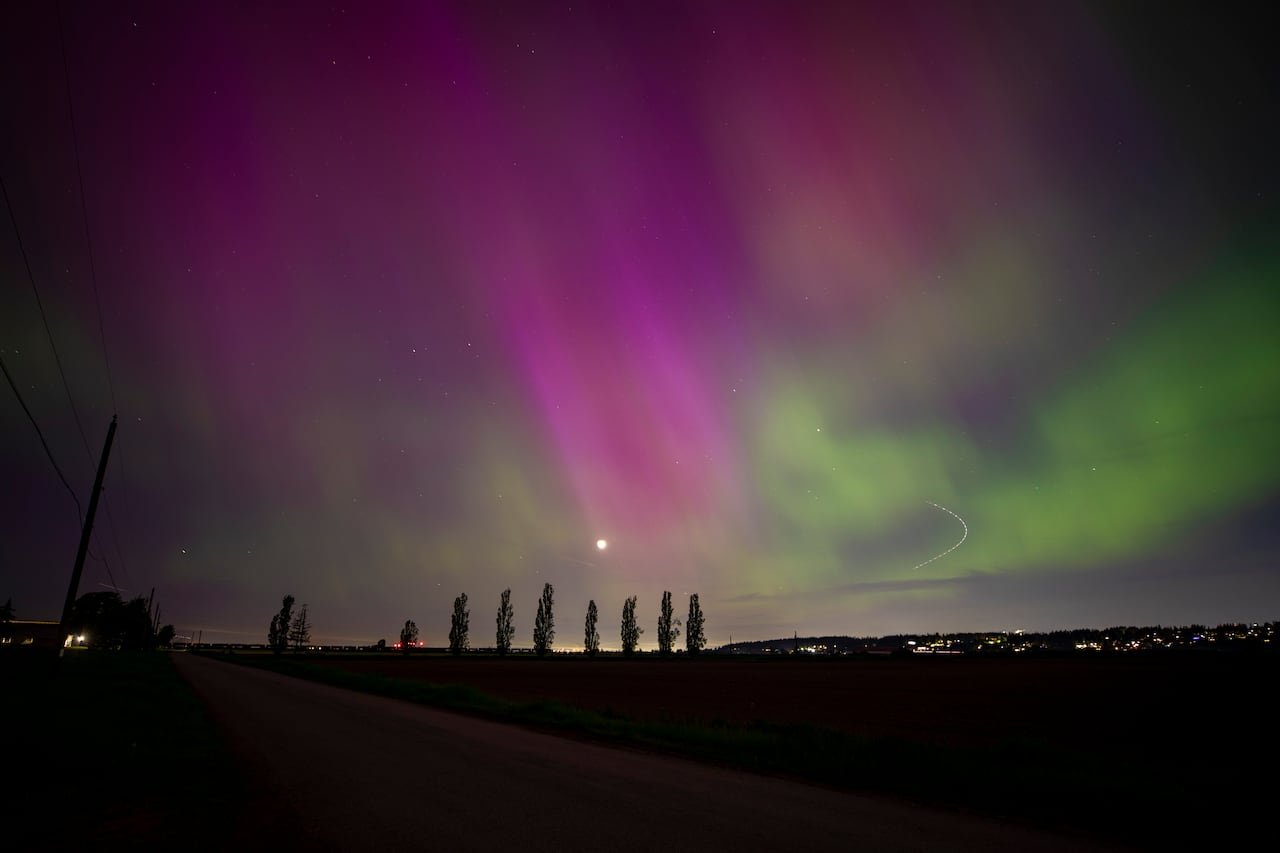
Alex Stubbing, the CEO of Travel Nunavut, highlighted that the territory’s focus is not solely on the northern lights like in the Northwest Territories and Yukon. Tour
