

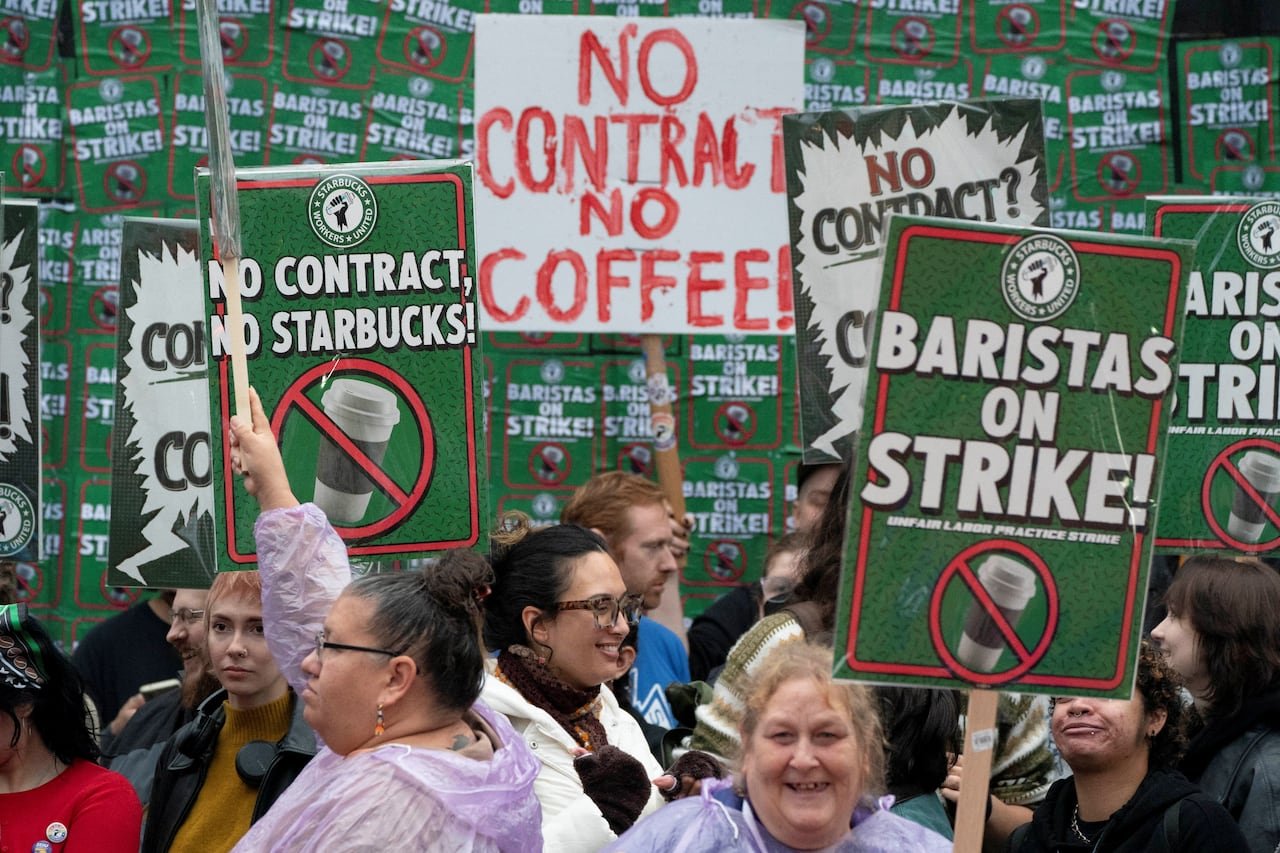
A strike was initiated by unionized baristas from 65 Starbucks outlets in the United States, intensifying efforts to reach a collective bargaining agreement that addresses concerns regarding wages and staffing. Negotiations between the union and the company had halted since December 2024. Starbucks Workers United (SBWU) mentioned on their website that Starbucks’ most recent economic proposal in April was rejected by union members.
In response to the rejection, Starbucks issued a statement on April 25, stating, “Despite over 200 hours of negotiations and more than 130 proposals exchanged, Workers United decided to present an incomplete framework for single-store contracts to their delegates, hindering our mutual progress.”
As reported by the union, over 1,000 Starbucks employees in 40 U.S. cities are participating in the strike. The walkout occurred on Starbucks’s Red Cup Day on Nov. 13, which usually marks the beginning of the busy holiday season for the coffee chain.
According to SBWU, the strike follows six months of Starbucks neglecting to provide new proposals to address demands for better staffing, increased pay, and resolutions for numerous unfair labor practice charges. Despite a request for comment, SBWU did not respond to CBC News in time for publication.
In a statement to CBC News, Starbucks spokesperson Jaci Anderson mentioned that “less than 1 percent” of their coffeehouses were facing disruptions due to the strike.
Key Requests
The SBWU highlighted unaddressed demands from Starbucks, including concerns about understaffing and wage enhancements.
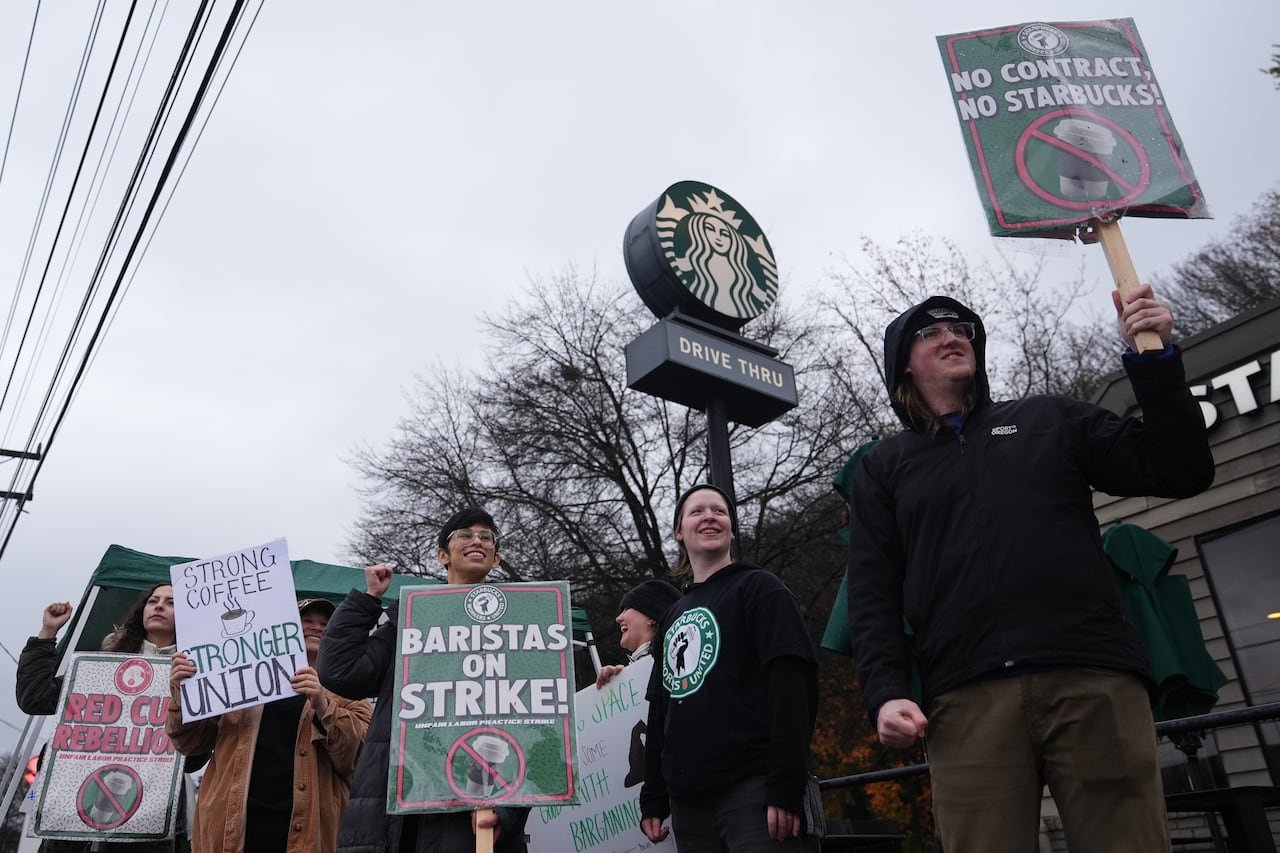
The union stated on their website, “We have achieved significant victories as a union, but Starbucks continues to obstruct contract negotiations. It is time to reach an agreement and move forward.” Starbucks expressed disappointment that Workers United, representing less than four percent of their partners, called for a strike instead of returning to negotiations.
SBWU argued that merely sitting at the negotiation table was pointless if Starbucks did not present proposals addressing the union’s demands.
Since its establishment with the first unionized Starbucks shop in Buffalo, New York, in 2021, SBWU has grown to represent thousands of baristas. Currently, around 550 out of approximately 17,000 Starbucks locations in the U.S. are unionized with SBWU.
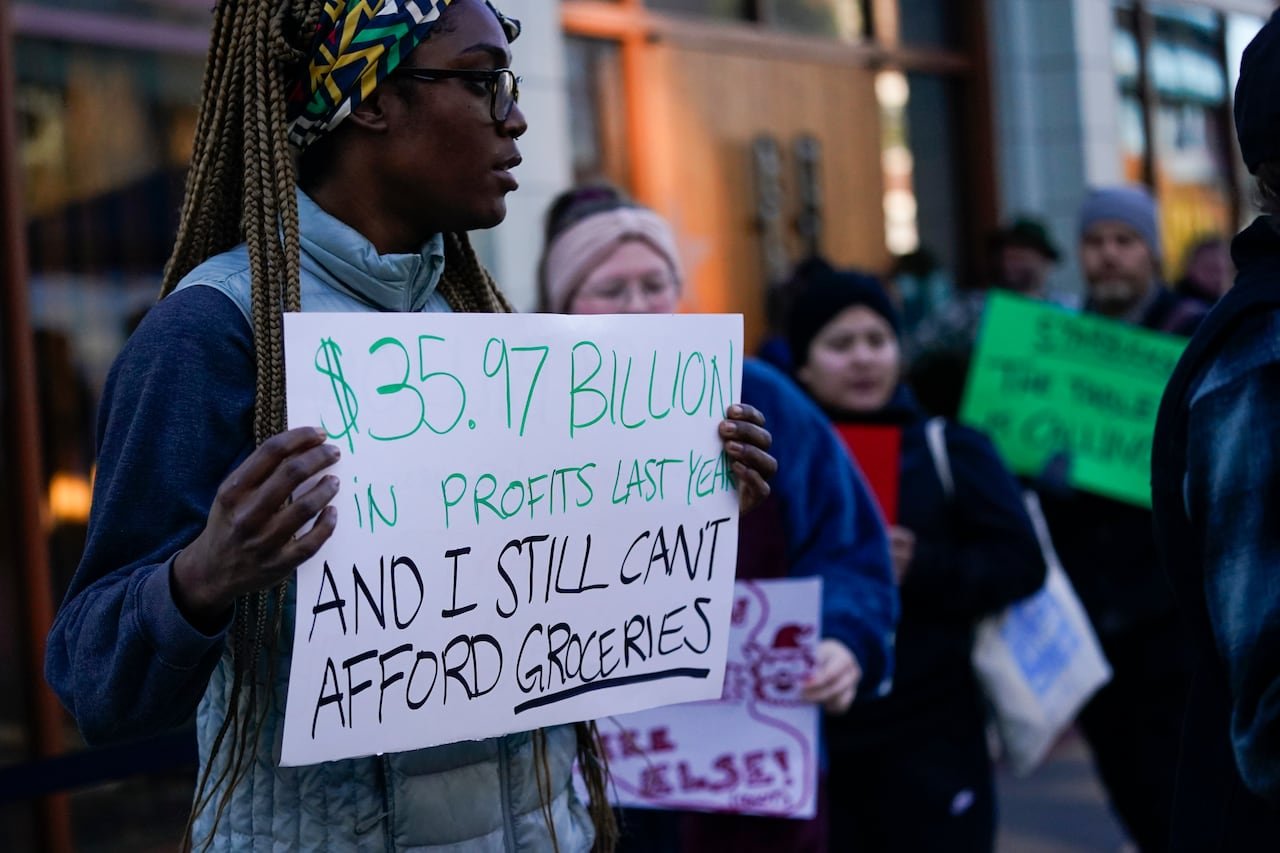
Barry Eidlin, a sociology professor at McGill University, attributed the growth of the union’s campaign to its grassroots approach, contrasting with traditional union models. Eidlin acknowledged that while the union’s success in achieving wage increases and better staffing remains uncertain, significant progress has been made through its grassroots organizational strategies in recent years.
In September, numerous Starbucks locations in North America were closed, and 900 non-retail employees were laid off. Starbucks CEO Brian Niccol acknowledged the impact of these closures on partners and customers, emphasizing the significance of coffeehouses in communities.
Canada’s Perspective
In May, the United Steelworkers (
