

A year ago, Donald Trump secured victory in the U.S. presidential election largely due to voter discontent with the high cost of living in the Biden administration’s post-pandemic economy. Fast forward ten months into Trump’s White House return, prices of various household essentials continue to climb, leading U.S. voters to express their economic strain in polls.
Despite the noticeable rise in prices, the president refutes any connection between inflation and his tariffs, even disputing the notion of increasing costs. This stance reflects Trump’s acknowledgment of potential political vulnerability on affordability matters, yet his strategy seems to revolve around denial rather than addressing people’s cost-related worries effectively.
During a recent interview with Fox News host Laura Ingraham, Trump evaded questions on affordability concerns raised by voters in the latest elections in Virginia, New Jersey, and New York City. Ingraham probed whether there was a voter perception issue regarding the economy or if further action was needed by Republicans in Congress or in terms of policy.
Trump’s response shifted blame to the Democrats, labeling it as a “con job” orchestrated by them. He dismissed claims of rising costs, suggesting that other networks propagate such views under Democratic influence. Trump’s narrative downplays the economic concerns expressed by voters.
Consumer Price Index Figures
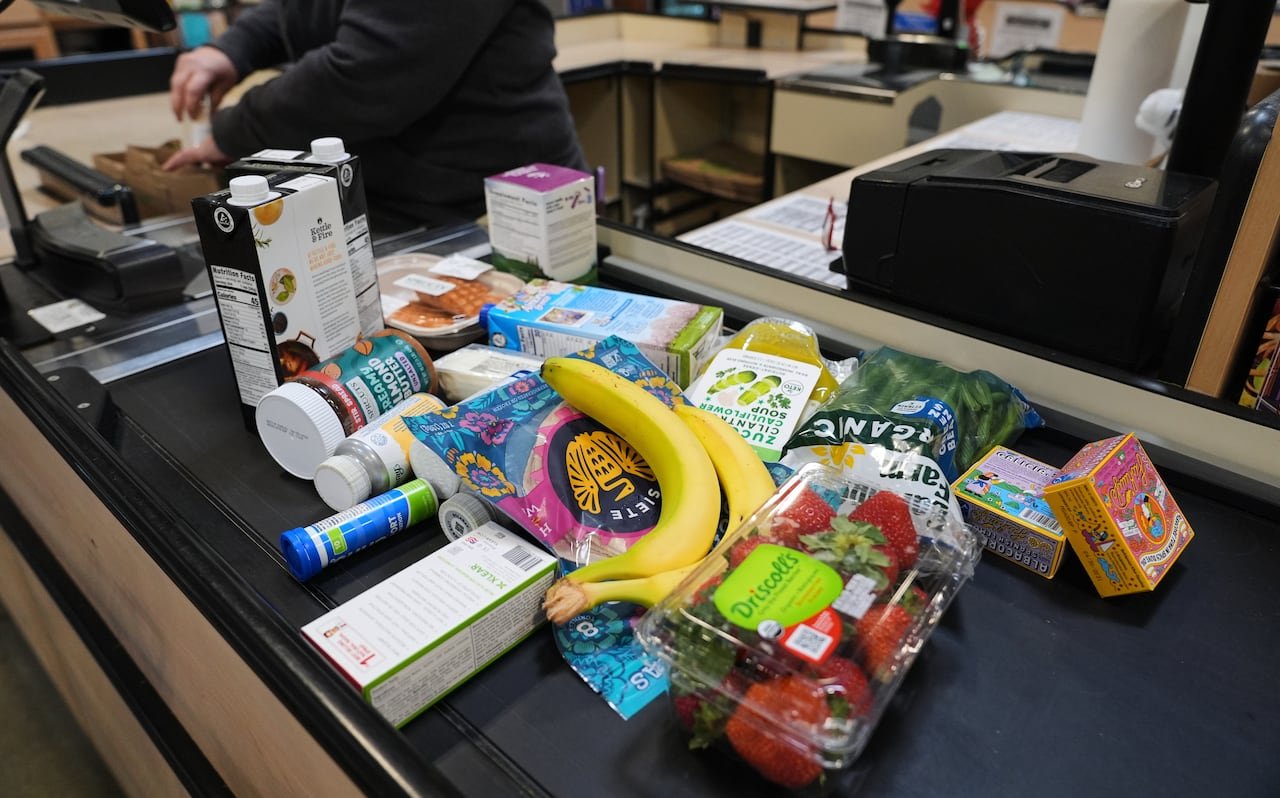
Despite Trump’s repeated promise during his campaign to “make America affordable again,” recent consumer price index data for September indicated a 2.7% increase in grocery prices compared to the same period in 2024. Prices have also risen in other categories, with housing up by 3.6%, medical care by 3.9%, car insurance by 3.1%, and electricity by 5.1% year over year.
Despite the evident price hikes, Trump continues to assert the opposite, claiming reduced energy and grocery costs. He insists that overall expenses have decreased significantly under his administration, contrary to public sentiment.
Contradictory Claims
Trump’s statements contradict public perceptions and data, as polls and election outcomes reflect growing concerns over the cost of living. The affordability issue remains a key aspect, with Democrat winners in recent elections prioritizing promises on affordability. Exit polling further underscores voters’ top concerns revolving around the economy and cost of living in these races.
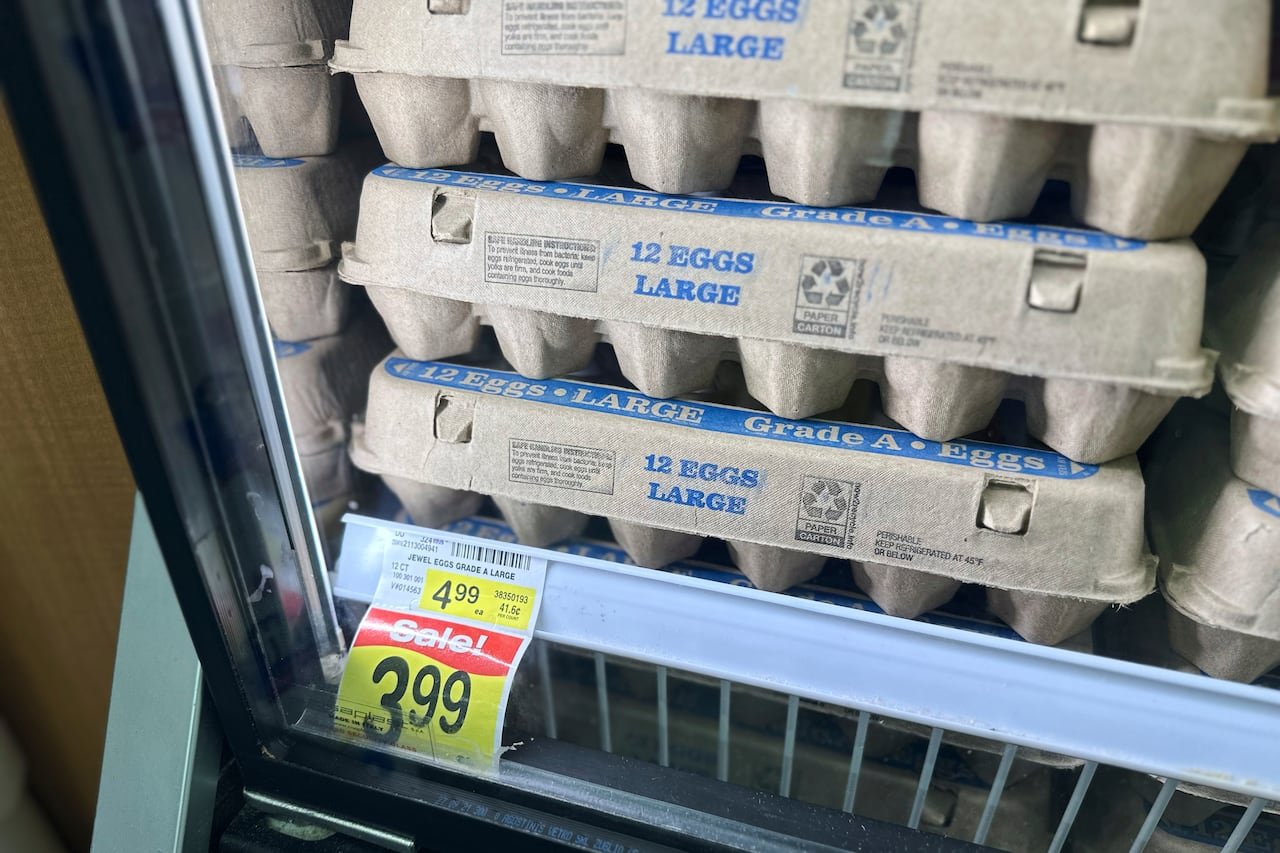
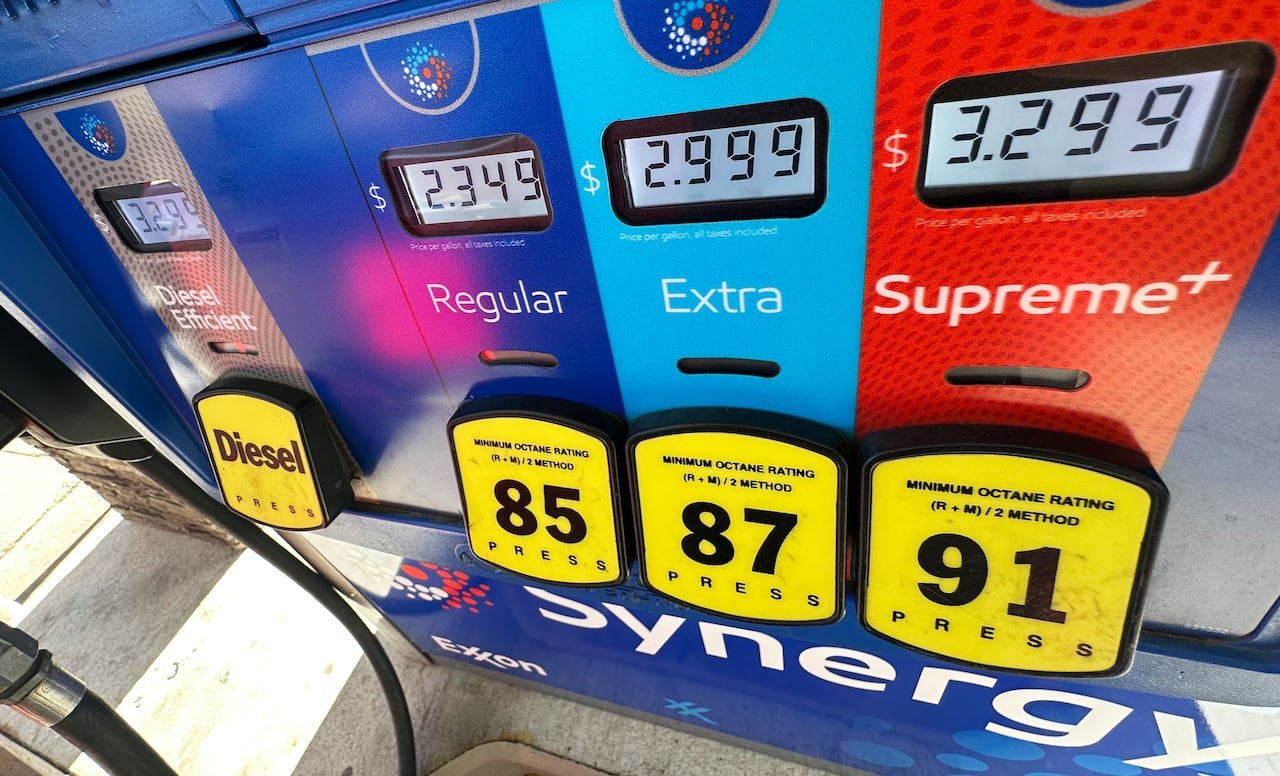
However, Trump highlights that gas and egg prices have notably decreased. Egg prices, which previously surged due to the avian flu epidemic, have since dropped. Similarly, the average price of regular gasoline has remained around $3 per gallon over the past year, with no clear evidence linking this to Trump’s policies.
Proposed Solutions
Trump’s response to the affordability challenge involves speculative proposals such as introducing 50-year mortgages and distributing $2,000 dividend checks from tariff revenues to citizens. He also suggests a shift from
