

Throughout history, echoes of Nia DaCosta’s 28 Years Later: The Bone Temple can be found.
For instance, there are echoes of the first two Europeans to settle permanently in Australia who, after becoming stranded, formed a ruthless group of torturers led by a charismatic figure who incentivized violence with promises of plunder and ecstatic experiences.
Similarly, in 1941 during a harsh winter, two men claimed to be Jesus and God on Belcher Island in Hudson Bay, orchestrating the deaths of nine community members through ritualistic violence.
In DaCosta’s zombie-apocalypse sequel, The Bone Temple, we witness how communal systems can easily be corrupted for malicious purposes.
This film, filled with gore, sadism, and religious fervor, may be too intense for some viewers. However, for those who can handle it, the movie offers thrilling action, compelling performances, and a thought-provoking exploration of the origins of cruelty and strategies to combat it.
To fully grasp DaCosta’s film, it is important to know the conclusion of the previous installment, as it sets the stage for the events in The Bone Temple.
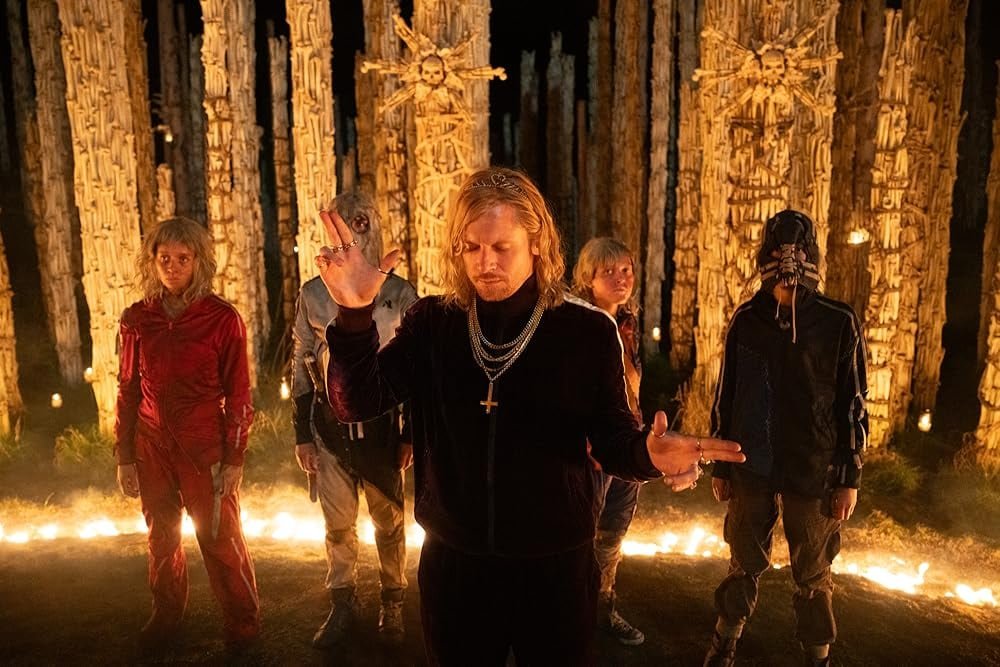
As the “rage virus” continues to plague the British Isles, survivors have isolated themselves in fenced-off communities. One such survivor is Spike, who encounters a group of individuals led by the charismatic cult leader Sir Jimmy Crystal in The Bone Temple.
Under Sir Jimmy Crystal’s leadership, the group engages in violent rituals, worshipping a distorted version of Satan known as “Old Nick,” which involves inflicting pain on others.
Exploring Themes
The Bone Temple delves into themes of regret, terror, and desperation, challenging traditional hero narratives and offering a different perspective on the apocalypse.
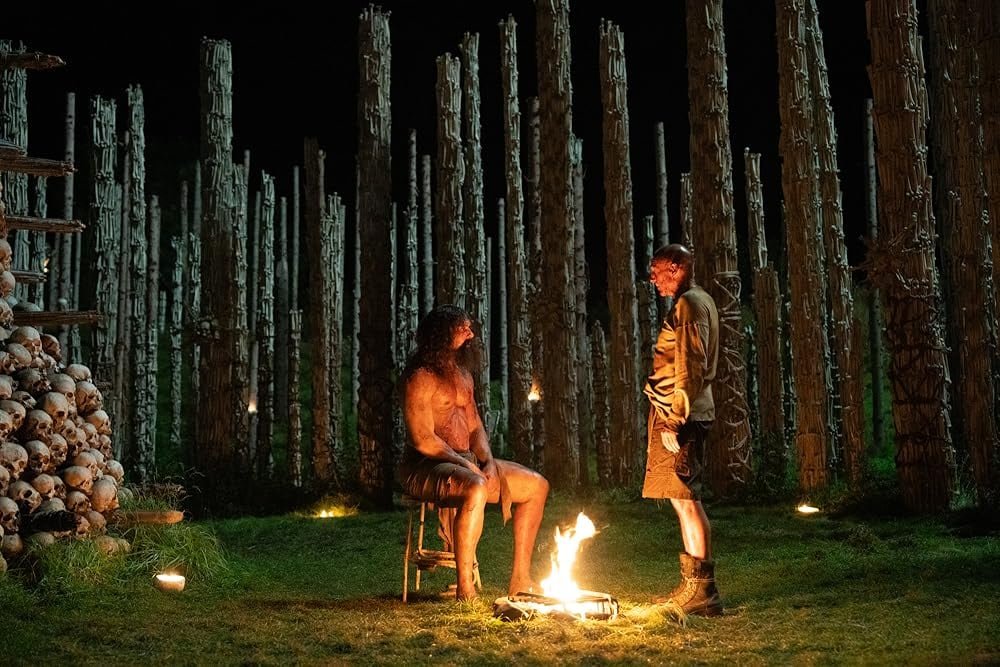
The film introduces new characters like Dr. Kelson, who constructs a monument of bones to honor the infected, and Samson, the towering zombie from the previous movie, who are portrayed in a more nuanced light.
In-depth Analysis
The character dynamics in the film, particularly involving Jimmy’s acolyte and Spike, add layers of complexity to the story.
Jack O’Connell’s portrayal of Sir Jimmy Crystal, with his inverted cross symbol and manipulative tactics, offers a compelling exploration of religious themes and the misuse of power.
The Bone Temple masterfully weaves allusions to martyrdom and the manipulation of narratives to incite violence, highlighting the dangers of blind devotion to destructive ideologies.
The film’s dark tone may not appeal to all viewers, but it ultimately conveys a message of resistance against oppressive systems and the preservation of humanity in the face of chaos.
Despite its zombie-centric premise, The Bone Temple delivers a timely and thought-provoking commentary on societal issues, making it a rewarding watch.
